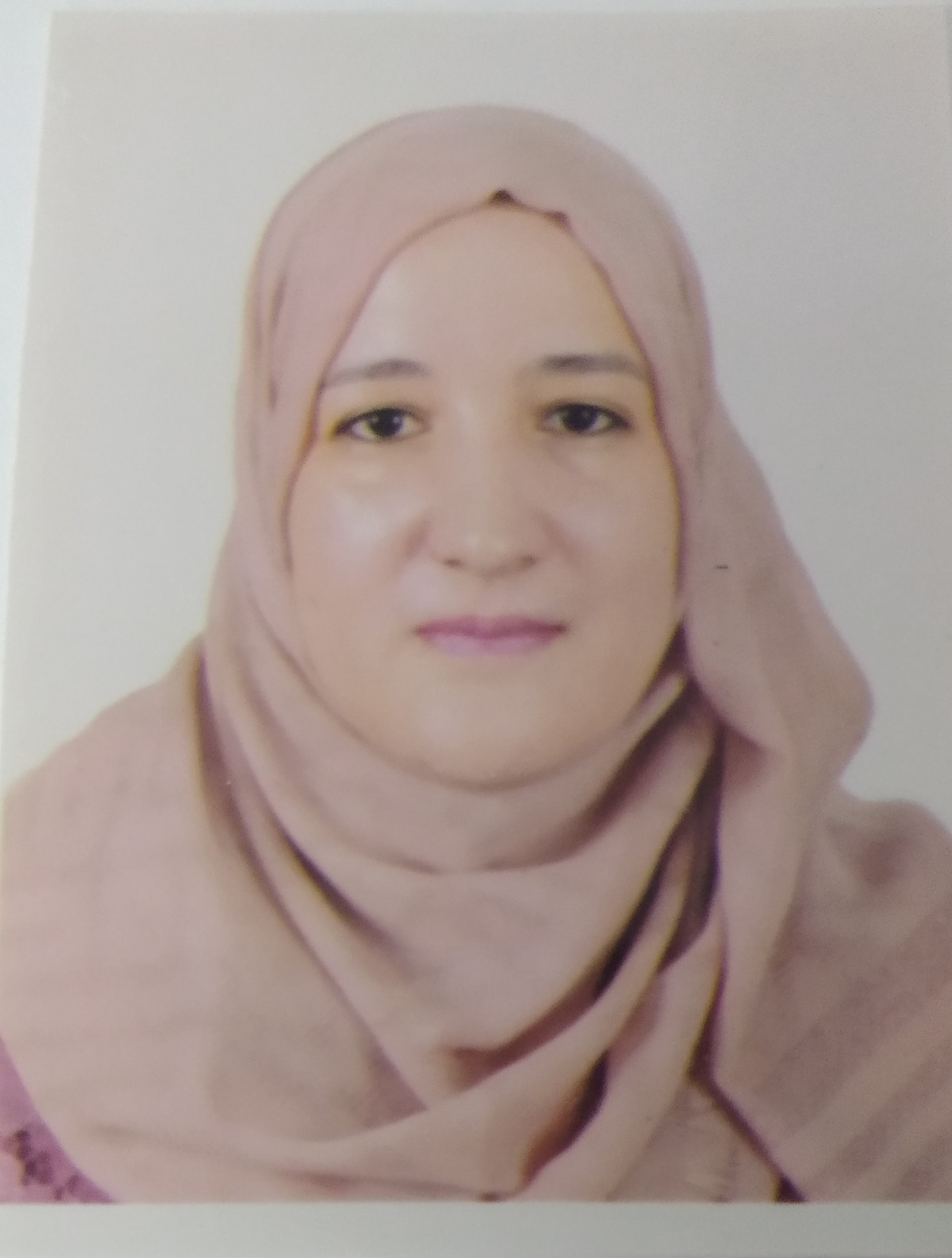
M. ZOUBIRI Asma

MCA

Directory of teachers

Department

Departement of Nature and life sciences

Research Interests

Ecology, Environment, Water qualiy, Animal Ecology

Contact Info

University of M'Sila, Algeria

On the Web:

  • Google Scholar N/A
  • ResearchGate
    ResearchGate N/A
  • ORCID N/A
  • SC
    Scopus N/A

Recent Publications

2024-12-19

Distribution pattern of waterbirds in Algerian Central Hauts Plateaus wetlands

To assess waterbird diversity, status, and distribution in the Central Hauts Plateaus wetlands of Algeria, a survey was conducted over four successive study years in the main sites. This monitoring allowed assessing 52 species, representing 16 families. Anatidae are the most abundant and represented by 11 species. Boughzoul´s reservoir is the high-richness wetlands, followed by Chott El Hodna and K’sob reservoir. However, Dayet El Kerfa is the preferred wetland for breeding species. Winter migrant, resident, and migrant species are the dominant status with 43 %, 28 % and 17 % respectively. While these statuses varied between sites. Overall, the analyzed phonological status of assessed species displays the key role played by these wetlands as wintering grounds, a stopover during migration journeys and breeding sites for several waterbird species. The presence of vulnerable species (Marmaronetta angustirostris), and three near-threatened other species (Aythya nyroca, Limosa limosa, Numenius arquata) following the IUCN Red List confirms the importance of the Central Hauts Plateaus wetlands for waterbirds conservation.
Citation

M. ZOUBIRI Asma, (2024-12-19), "Distribution pattern of waterbirds in Algerian Central Hauts Plateaus wetlands", [international] 2nd International Tunisian-Algerian Scientific Seminar : Applied Sciences and Sustainable Development. , Tunisia

Species composition, relative abundance, and habitat association of Waterbirds in the Sahara wetlands of Algeria

Algerian Sahara wetlands represented by many sites have different characteristics of undeniable importance. These aquatic ecosystems have a great biological diversity due to their morphological features (size, vegetation cover, and depth), but they remain poorly studied in Algeria. The monitoring of the bird fauna of these wetlands between 2005 and 2011, allowed us to define the spatial patterns in species richness, abundance, and diversity to their habitat characteristics. A total of 57 species representing 15 families were assessed, among the most representative families were Anatida, Scolopacidae with thirteen species each and Ardeidae with six species. Some species were observed with relatively large numbers: Greater Flamingo Phoenicopterus roseus (35000 individuals) and other breeding species are listed as Near-threatened (Ferruginous duck Aythya nyroca) and vulnerable (Marbled Teal Marmaronetta angustirostris) according to the IUCN Red List. The variation of phonological status of this avifauna, allowed us to determine the key sites and habitats used for wintering, as stopovers during trans-Saharan migration and for breeding. Statistical analyses revealed that wetland area and water level fluctuations as the most significant variables affecting bird abundance. Whereas, vegetation cover and wetland area may influence diversity and species richness was determined by open water area rate. The correspondence factor analysis (CFA) confirmed the dependence of species distribution patterns and morphological features of the Sahara wetlands. Overall, these results show the need for wetland conservation in Algerian Sahara, paying particular attention to the most heterogeneous wetlands to conserve the greatest species richness and bird abundance.
Citation

M. ZOUBIRI Asma, (2024-12-19), "Species composition, relative abundance, and habitat association of Waterbirds in the Sahara wetlands of Algeria", [international] 2nd International Tunisian-Algerian Scientific Seminar : Applied Sciences and Sustainable Development. , Tunisia

2024-07-19

Assessing the Presence of Metals in Surface Waters: a Case Study Conducted in Algeria Using a Combination of Artificial Neural Networks and Multiple Indices

Elevated concentrations of heavy metals in wetlands can contaminate surface water, posing
hazards to human health and ecological balance. Given increasing urbanization and activities in places
like Algeria, it is crucial to closely monitor and effectively control heavy metal pollution in surface
water. This study proposes the use of artificial neural networks (ANN) and various indicators to comprehensively
assess metal contamination in Algerian surface waters and its implications for public
health. Sixteen water samples were collected for the composition analysis and source identification.
Measurements indicated that several areas exceed the World Health Organization (WHO) limits for
four metals. Methods such as the Heavy Metal Evaluation Index (HEI) and Heavy Metal Pollution
Index (HPI) were employed to assess pollution levels. Results showed that over 99% of samples exhibited
significant pollution according to HPI, with 60% showing elevated pollution levels by HEI, highlighting
substantial contamination risks. Principal Component Analysis (PCA) revealed that the first
two components accounted for 93.540% of total variation, with subsequent components contributing
6.459% or less. PCA 1 and PCA 2, representing 49.084 and 44.456% of variability, respectively, were
identified as primary components, while PCA 3 and PCA 4 each contributed less than 5.015 and 1.444% to
total variance. The study demonstrated minimal error values and R2 values exceeding 0.5 during the testing
of heavy metal models, indicating robust performance. Overall, this study underscores the prevalence
of elevated metal levels in water bodies, providing comprehensive insights into heavy metal contamination
in Algerian basins to assist environmental management decisions and protect public health.
Citation

M. ZOUBIRI Asma, (2024-07-19), "Assessing the Presence of Metals in Surface Waters: a Case Study Conducted in Algeria Using a Combination of Artificial Neural Networks and Multiple Indices", [national] Journal of Water Chemistry and Technology , PLEIADES PUBLISHING INC

2024-03-16

Long-term dynamics of remote sensing indicators to monitor the dynamism of ecosystems in arid and semi-arid areas: contributions to sustainable resource management

Drought is expected to increase in water bodies due to climate change. Monitoring long-term changes in wetlands is crucial for identifying
fluctuations and conserving biodiversity. In this study, we assessed the long-term variability of remote sensing indicators in 25 watershed
areas in Algeria known for their significant biodiversity. We employed two statistical methods, namely linear regression and the Mann–
Kendall (MK) test, to capture long-term fluctuations by integrating data from various sources, including Modis and Landsat satellite data.
A time-series dataset spanning 22 years was developed, consisting of the following indicators: normalized difference vegetation index
(NDVI), enhanced vegetation index (EVI), normalized difference water index (NDWI), normalized difference moisture index (NDMI), and land
surface temperature (LST). We evaluated the relationships between these variables. The results indicated that NDVI exhibited a stronger temporal
response compared to EVI, NDWI, and NDMI. Additionally, negative associations between NDVI and LST confirmed the impact of
drought and plant stress on vegetation in the study areas (R2 ¼ 0.109–R2 ¼ 0.5701). The NDMI results pointed to water stress in the water
bodies, showing a significant decreasing trend. The results from the MK trend analysis underscored the importance of NDVI and highlighted
its strong association with EVI, NDWI, and NDMI. Understanding the dynamics of vegetation and water stress has become crucial for ecosystem
forecasts.
Key words: Algeria, indicators, remote sensing, vegetation, watersheds
Citation

M. ZOUBIRI Asma, (2024-03-16), "Long-term dynamics of remote sensing indicators to monitor the dynamism of ecosystems in arid and semi-arid areas: contributions to sustainable resource management", [national] Journal of Water and Climate Change , IWA PUBLISHING

2023-11-15

Comprendre la Dynamique de la Réponse de la Végétation au Changement Climatique et Élucider les Causes de la Sécheresse dans le Bassin de Reghaia : Une Étude Complète Utilisant les Données MODIS.

L'étude se concentre sur la compréhension essentielle de l'impact des caractéristiques de la végétation sur le changement climatique et l'examen des causes de la sécheresse. En utilisant les données MODIS, l'étude analyse l'Indice de Végétation par Différence Normalisée (NDVI), l'Indice Standardisé de Précipitation-Évapotranspiration (SPEI) et divers facteurs climatiques pour évaluer la réponse de la végétation aux variations climatiques et aux occurrences de sécheresse dans le bassin de Reghaia de 2000 à 2022. En réalisant une analyse de corrélation sur différentes périodes, la recherche vise à révéler les facteurs sous-jacents de ces changements. Les résultats indiquent une diminution substantielle de l'indice de végétation, à la fois saisonnière et annuelle. L'analyse spatiale révèle qu'environ 60 % de la zone de végétation a connu des valeurs de NDVI inférieures à 0,35, avec la dégradation de la végétation la plus significative observée en été. L'étude établit une relation inverse entre le NDVI et les facteurs climatiques, avec un délai de 1 à 2 mois. La fréquence des événements de sécheresse a montré des augmentations variables, et la tendance du SPEI a été principalement négative, en particulier en été et en automne (-0,00539/an, R2 = 0,3401) et (-0,00231/an, R2 = 0,1217), respectivement. Notamment, en 2022, le SPEI a atteint ses niveaux les plus bas, coïncidant avec une forte diminution du NDVI. Ces dernières années, l'intensité des sécheresses s'est accrue, entraînant une baisse des niveaux d'eau. En fin de compte, l'étude met l'accent sur l'influence néfaste du changement climatique sur la prolifération des sécheresses et la santé de la végétation.
Citation

M. ZOUBIRI Asma, esra pulat, Ateşoğlu Ayhan, , (2023-11-15), "Comprendre la Dynamique de la Réponse de la Végétation au Changement Climatique et Élucider les Causes de la Sécheresse dans le Bassin de Reghaia : Une Étude Complète Utilisant les Données MODIS.", [international] International sGIS DAY Algeria (4th edition) Annaba 15th Nov 2023 , annaba

2023-11-10

ENVIRONMENTAL FACTORS AFFECTING NEST-SITE SELECTION OF BREEDING YELLOW-LEGGED GULLS IN CONTINENTAL SEMI-ARID AREA (ALGERIA)

As a colonial bird and the most abundant gull in the Mediterranean region, the yellow-legged gulls Larus
michaehellis is considered as an ideal species to investigate effects of environmental factors change. The breeding ecology of the
Yellow-legged Gull was followed for the first time in the continental semi-arid area in Algeria, during two consecutive years 2014
and 2015. The breeding site (Ain Zada dam) located in the Central Hauts Plateaux around 60 Km far from the Mediterranean Sea.
Comparatively to previews observations, a rapid and massive growth of this marine species in the continental regions of the country
was observed. In the aim to analyze factors affecting nest-site selection some environmental parameters influencing breeding
parameters were surveyed such as nest density, vegetation density and height. Our results, showed the direct effect of water
availability on the nest site selection and laying period in the semi-arid area. The mean nest density found in the study area (0.73 ±
0.15 nest/m2) was higher than those reported in other Mediterranean colonies. However, nest density associated with vegetation
density, but negatively correlated with island size.
Citation

M. ZOUBIRI Asma, saheb_tahar@yahoo.fr, Billal gasmi, lhadi mailbi, , (2023-11-10), "ENVIRONMENTAL FACTORS AFFECTING NEST-SITE SELECTION OF BREEDING YELLOW-LEGGED GULLS IN CONTINENTAL SEMI-ARID AREA (ALGERIA)", [national] Analele Universităţii din Oradea, Fascicula Biologie , University of Oradea Publishing House

2023-05-30

Monitoring the effect of droughts and extreme climate variables for various time periods on vegetation density in the Reghaia catchment, Algeria.

Understanding the characteristics of vegetation and its impact on climate change, as well as studying droughts and their causes, is crucial. Based on Modis data, NDVI use, SPEI indicators, and climatic factors, this paper verified the plant index's response to climatic changes and drought in the Reghaia basin during 2000-2022. Based on correlation analysis in different time periods, allows analysis of the causes of changes. Results showed a decline in the vegetation index in both seasonal and annual periods, with spatial distributions showing that about 60% of the vegetation area had NDVI values below 0.35, and the summer had a greater share of vegetation degradation. Ranges showed a negative relationship between NDVI and climatic factors with a delay of 1-2 months. The drought rate increased in varying proportions, and SPEI's trend was negative, especially in summer and autumn (-00539/a, R 2 = 0.3401), and (-00231/a, R 2 = 0.1217) respectively, and SPEI reached its lowest levels in 2022, the peak of NDVI fell with the SPEI index. In recent years, the drought has intensified and the water level has decreased. Finally, climate change has a negative impact on the increase in droughts and plants.
Citation

M. ZOUBIRI Asma, (2023-05-30), "Monitoring the effect of droughts and extreme climate variables for various time periods on vegetation density in the Reghaia catchment, Algeria.", [national] Natural Resources and Sustainable Development , ERIH PLUS

2021

Ecology and behavioral response of Ruddy Shelduck (Tadorna ferruginea) in the wetland complex of Oued Righ valley (Algerian Sahara).

The wetland complex of Oued Righ valley accommodates a population of Ruddy Shelduck (Tadorna ferruginea) between 2012 and 2014, the total reached 80 individuals in the Lake Hamraia where the species wintering. The analysis of the diurnal time budget of wintering populations revealed the role of feeding area delivery for this species and they devoted their day time to feeding (51.2%), sleeping (18.8%), followed by swimming activity (6.3 %), and courtship activities with flying (2.03%) which often occurs after disturbances caused by human or by Marsh harrier (Circus aeruginosus). It is interesting to study the behavior of these ducks in Saharan bioclimatic area and follow the phenology and characteristics in order to preserve the biodiversity in this region.
Citation

M. ZOUBIRI Asma, Sakina Merouani, , (2021), "Ecology and behavioral response of Ruddy Shelduck (Tadorna ferruginea) in the wetland complex of Oued Righ valley (Algerian Sahara).", [national] Algerian Journal of Biosciences , University of Echahid Hamma Lakhdar.

2019

Preliminary data on the diversity pattern of waterbirds of Chott El-Hodna (Central High Plateaux-Algeria)

In this pioneering work on the aquatic avifauna of Chott El-Hodna (Central High Plateaux), we present
results obtained through monthly companies of waterbirds counts started from September 2007 to
September 2009. On this wetland of international importance under Ramsar convention, a total of 39
species of water birds representing 12 families have been recorded. The family of ducks is the most
represented by 10 species. Amongst of all species, 20 of them are wintering species, 12 are visitors, 06
are resident breeder species as well as the Ruddy Shelduck Tadorna furruginea and Black-winged Stilt
Himantopus himantopus etc. Only one species has breeder- migrant status as well as the white stork
Ciconia ciconia. However, 11 species are protected under Algerian law, which one species is listed in
(VU) Category of Red List of endangered species (Teal marbled Marmaronetta angustirostris) by the
International Union for Conservation of Nature (IUCN).
Citation

M. ZOUBIRI Asma, (2019), "Preliminary data on the diversity pattern of waterbirds of Chott El-Hodna (Central High Plateaux-Algeria)", [international] BioEco2019- International Biodiversity & Ecology Sciences Symposium , TURKEY

Diversity and distribution pattern of waterbirds in wetlands of Algerian steppe region

The main aim of our study is to assess the diversity and abundance waterbirds through wetland ecosystems
located in Algerian steppe region. a survey was conducted along four successive study years in the main
sites.
This monitoring allowed assessing 52 species, representing 16 families. Anatidae are the most abundant
and represented by 11 species. Boughzoul ́s reservoir is the high richness wetlands, followed by Chott El
Hodna and K’sob reservoir. However, Dayet El Kerfa is the preferred wetland for breeding species.
Winter migrant, resident , and migrant species are the dominated status with 43 %, 28 % and 17 %
respectively. While these statuses varied between sites.
Overall, the analyze phonological status of assessed species display the key role played by these wetlands
as wintering grounds, a stopover during migration journeys and breeding sites for several waterbirds
species. The presence of vulnerable species (Marmaronetta angustirostris), and three near threatened
other species (Aythya nyroca, Limosa limosa, Numenius arquata ) following the IUCN Red List confirms
the importance of the steppe region wetlands for waterbirds conservation
Citation

M. ZOUBIRI Asma, (2019), "Diversity and distribution pattern of waterbirds in wetlands of Algerian steppe region", [international] BioEco2019- International Biodiversity & Ecology Sciences Symposium , TURKEY

2018

Biodiversité et distribution des oiseaux d'eaux

Biodiversité et distribution des oiseaux d'eaux dans les ZH des Hauts plateaux du Centre d'Algérie
Citation

M. ZOUBIRI Asma, (2018), "Biodiversité et distribution des oiseaux d'eaux", [national] CNBA 3 , Univ Oum El Bouaghi

Species Composition and Distribution Pattern of Waterbirds in Algerian Central Hauts Plateaux Wetlands

With the aim to assess waterbirds’ diversity, status and distribution in the Central Hauts Plateaux wetlands of Algeria, a survey was conducted along four successive study years in the main sites. This monitoring allowed assessing 52 species, representing 16 families. Anatidae are the most abundant, and represented by 11 species. Boughzoul´s reservoir is the highly rich wetland, followed by Chott El Hodna and K’sob reservoir. However, Dayet El Kerfa is the preferred wetland for breeding species. Winter migrants, residents, and migrant species are the dominated status with 43 %, 28 % and 17 %, respectively. While these statuses varied between sites. Overall, the analyzed phonological status of assessed species displays the key role played by these wetlands as wintering grounds, a stopover during migration journeys, and breeding sites for several waterbirds’ species. The presence of vulnerable species (Marmaronetta angustirostris), and three near threatened other species (Aythya nyroca, Limosa limosa, Numenius arquata) following the IUCN Red List confirms the importance of the Central Hauts Plateaux wetlands for waterbirds conservation.
Citation

M. ZOUBIRI Asma, (2018), "Species Composition and Distribution Pattern of Waterbirds in Algerian Central Hauts Plateaux Wetlands", [national] World Journal of Environmental Biosciences. , World Journal of Environmental Biosciences.

Symposium Proceedings

Abstract

The main aim of our study is to assess the diversity and abundance waterbirds through wetland ecosystems located in Algerian steppe region. a survey was conducted along four successive study years in the main sites.
This monitoring allowed assessing 52 species, representing 16 families. Anatidae are the most abundant and represented by 11 species. Boughzoul´s reservoir is the high richness wetlands, followed by Chott El Hodna and K’sob reservoir. However, Dayet El Kerfa is the preferred wetland for breeding species. Winter migrant, resident , and migrant species are the dominated status with 43 %, 28 % and 17 % respectively. While these statuses varied between sites.
Overall, the analyze phonological status of assessed species display the key role played by these wetlands as wintering grounds, a stopover during migration journeys and breeding sites for several waterbirds species. The presence of vulnerable species (Marmaronetta angustirostris), and three near threatened other species (Aythya nyroca, Limosa limosa, Numenius arquata ) following the IUCN Red List confirms the importance of the steppe region wetlands for waterbirds conservation.
Citation

M. ZOUBIRI Asma, (2018), "Symposium Proceedings", [international] International Marine & Freshwater Sciences (MARFRESH2018) , TURKEY

2016

Distribution de l'avifaune des régions steppiques

Distribution de l'avifaune des régions steppiques
Citation

M. ZOUBIRI Asma, (2016), "Distribution de l'avifaune des régions steppiques", [international] VRNZS2016 , Univ M'Sila

2015

Status, Habitat Use, and Behaviour of Wintering Greater Flamingos Phoenicopterus roseus in Semi-Arid and Saharan Wetlands of Algeria

The Greater flamingo is considered the flagship species of wetlands across semi-arid and Saharan regions of Africa, especially Chotts and Sebkhas, which also concentrate significant numbers of bird species. Flamingos have different status (wintering and breeder) which vary between sites in different parts of Algeria. We conducted surveys and recorded banded flamingos across distinct regions within two climatic belts: semi-arid (Hauts Plateaux) and arid (Sahara), showing the importance of these sites in the migratory flyways particularly the relation between West Mediterranean and West Africa populations. The distribution of Greater flamingos varied between sites and seasons, where the concentrations mainly were in the wide, lees deep and salt lakes. Many of the sites (17) in the surveyed area were regularly supporting at least 1% of the regional population during winter. The analysis of Greater flamingos behaviour in different climatic regions in relation showed that the feeding is the dominant diurnal activity with rates exceeding 60% of the time. While feeding varies between seasons, and showed a negative relationship with the degree of disturbance. Keywords—Algeria, greater flamingo, Phoenicopterus roseus, Sahara, semi-arid.
Citation

M. ZOUBIRI Asma, (2015), "Status, Habitat Use, and Behaviour of Wintering Greater Flamingos Phoenicopterus roseus in Semi-Arid and Saharan Wetlands of Algeria", [national] Engineering and Technology, International Journal of Biological, Biomolecular, Agricultural, Food and Biotechnological Engineering , World Academy of Science,

2014

Contribution à l’étude de la pollution des eaux des zones humides des régions Arides d’Algérie

Notre travail sur l'évaluation de la qualité des eaux des zones humides des régions Arides d’Algérie est pour objectif de déterminer les sources de pollution et la variation de la qualité des eaux de ces écosystèmes vis-à-vis les facteurs environnementaux. L'approche adoptée dans ce travail est le suivi temporel de la qualité physico-chimique des eaux de cinq zones humides de régions différentes à savoir : région de M'sila (Chott El Hodna, Barrage de K'sob et la Retenue d'El Gherssa) et Médéa (Barrage de Boughezoul et Dayet El Kerfa).
Cette étude menée durant la période (novembre 2011 à juin 2012) avec un rythme trimestrielle couvre trois saisons différentes pour montrer le comportement des écosystèmes vis-à-vis le changement des paramètres climatiques et les sources de pollution qui les affectent. Sauf pour les analyses qui concernent les métaux lourds on a pris une seule saison (Mai à Juin) pour déterminer la présence de quatre éléments majeurs : Pb, Zn, Cd et le Cu et ses effets sur les écosystèmes aquatiques.
Les résultats des analyses des paramètres principaux des eaux montrent un dépassement des normes fixées par l'OMS et la FAO. Ils ont montré aussi que les zones humides de ces deux régions M'sila et Médéa sont soumise à une forte pression qui affecte la qualité des eaux de ces écosystèmes. Nos sites d'étude sont touchés par les différents types de pollution (industrielle, domestique et agricole). Les résultats des analyses concernant la présence des métaux lourds montrent des concentrations très élevés particulièrement du Plomb et Cadmium qui dépasse la norme limite de l'OMS dans la station du Chott El Hodna et Dayet El Kerfa.
Citation

M. ZOUBIRI Asma, (2014), "Contribution à l’étude de la pollution des eaux des zones humides des régions Arides d’Algérie", [national] International Journal of Environment & Water , International Journal of Environment & Water

APERÇU SUR LA DIVERSITÉ DES OISEAUX D’EAU DU CHOTT EL-HODNA (ALGÉRIE)

Dans ce travail pionnier sur l’avifaune aquatique du Chott El-Hodna (Hautes
plaines centrales), nous présentons les résultats recueillis à travers des campagnes men-
suelles de dénombrement des oiseaux d’eau s’étalant de septembre 2010 à 2012. Sur ce
site d’importance internationale « Ramsar », un total de 39 espèces d’oiseaux d’eau
appartenant à 12 familles, a été observé. La famille des Anatidés demeure la plus repré-
sentée, avec 10 espèces.
Parmi les espèces qui ont fréquenté ce site, 20 d’entre elles sont hivernantes,
12 sont visiteuses de passage et six sont nicheuses sédentaires. Parmi ces dernières, on
cite le Tadorne casarca Tadorna furruginea et l’Échasse blanche Himantopus himanto-
pus. et une seule espèce nicheuse migratrice : la cigogne blanche Ciconia ciconia. Onze
espèces sont protégées par la loi algérienne, dont une espèce figure dans la catégorie
« Vulnérable » (VU) de la liste rouge des espèces menacées d’extinction de l’Union
Internationale pour la Conservation de la Nature (UICN).
Citation

M. ZOUBIRI Asma, (2014), "APERÇU SUR LA DIVERSITÉ DES OISEAUX D’EAU DU CHOTT EL-HODNA (ALGÉRIE)", [national] Bull. Soc. zool. Fr. , Bull. Soc. zool. Fr.

← Back to Researchers List