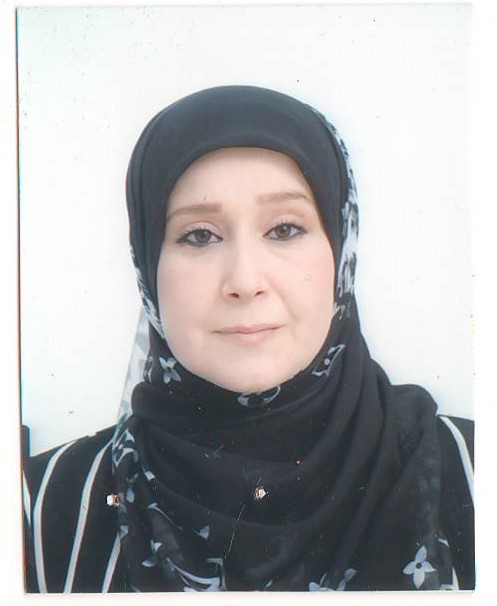
M. LALAOUI Aissa

MCA

Directory of teachers

Department

DEPARTMENT OF LAW

Research Interests

القانون الدولي والعلاقات الدولية -قانون التامين -قانون البيئة، القانون والذكاء الاصطناعي

Contact Info

University of M'Sila, Algeria

On the Web:

  • Google Scholar N/A
  • ResearchGate
    ResearchGate N/A
  • ORCID N/A
  • SC
    Scopus N/A

Recent Publications

2024-12-12

دورة تكوينية في استخلاص الزيوت والمواد شبه صيدلانية

دورة تكوينية في استخلاص الزيوت والمواد شبه صيدلانية
Citation

M. LALAOUI Aissa, (2024-12-12), "دورة تكوينية في استخلاص الزيوت والمواد شبه صيدلانية", [national] دورة تكوينية في استخلاص الزيوت والمواد شبه صيدلانية , حاضنة الأعمال، جامعة المسيلة

دور المنظمات والمؤتمرات الدوليـة في التصدي للتغيرات المناخية

With the beginning of the industrial revolution, man began to intensify his industrial activity, which caused atmospheric pollution, as a result of the excessive use of fuels such as oil, coal and natural gas, which means more production of carbon dioxide and other gases that cause an increase in the temperature of the space surrounding the Earth, which made climate scientists declare that the planet Earth will face rapid climate changes in the coming centuries.
The international response to confront climate change began at the first World Climate Conference in 1979, in which the necessity of confronting this danger was recognized. At this conference, countries agreed to form the World Climate Program within the framework of the World Meteorological Organization and the United Nations Environment Program. After that, several international conferences were held that focused on the issue of climate change, starting in the late eighties. These conferences helped focus international efforts to confront climate change after scientific evidence confirmed the occurrence of this change. We note that Algeria is one of the first countries to care about the environment, through the activities it carries out in this field, in addition to its joining many international organizations active in the field of the environment and its ratification of most international environmental declarations and agreements, as well as its participation in international conferences and seminars related to the environment.
Keywords: Climate change, international organizations, international conferences, Algeria and climate change, climate change agreement.
Citation

M. LALAOUI Aissa, (2024-12-12), "دور المنظمات والمؤتمرات الدوليـة في التصدي للتغيرات المناخية", [national] الملتقى الوطني حول : الجزائر وتحديات العمل المناخي , كلية الحقوق، جامعة الإخوة منتوري، قسنطينة 1

2024-12-02

محاضرات في قانون البيئة والتنمية المستدامة

God Almighty honored man by making him his successor on earth, and since then he began to exploit its natural resources and wealth to meet his desires and needs. However, the pace of his exploitation of these wealth has increased terribly in recent centuries, especially with the beginning of the industrial revolution, which led to the disruption of the natural balance of the ecosystem. The race between countries for economic development and technological development has led to an increase in human activities, which has caused environmental pollution and natural disasters.
The existing dispute between developed and developing countries has become clear, and this dispute has greatly affected the achievement of international cooperation to preserve the environment, so the Stockholm Conference on the Human Environment came in 1972, to call on countries to protect natural resources as a common heritage of humanity, and twenty years later in Rio de Janeiro in 1992, the United Nations Conference on Environment and Development was held, which issued the Earth Summit Declaration, the United Nations Framework Convention on Climate Change and the Convention on Biological Diversity.
The countries of the world have agreed on the need to address environmental problems that threaten national and international security. Therefore, the Rio de Janeiro Conference of 1992 is an important stage in the stages of international work to confront these problems. With the beginning of international interest in the issues and protection of natural resources from depletion, a new concept emerged, namely sustainable development, which later developed to become one of the main principles of environmental law. International and national efforts in the field of environmental protection and preservation have found their way to practical application, as they have contributed to the formulation of many legal principles and rules, which in turn established what is known as environmental law as a new branch of law.
The scale of environmental law and sustainable development includes two terms, namely environment and sustainable development, which means that this scale is concerned with highlighting the concept of the environment and the concept of sustainable development and the relationship between them, as well as addressing the legal mechanisms capable of achieving a balance between the requirements of development on the one hand and the requirements of environmental protection on the other. In this course, we will cover six basic lectures. We will devote the first lecture to the concept of the environment, the second lecture to environmental pollution, the third lecture to the sources of environmental law, the fourth lecture to the characteristics and principles of environmental law, the fifth lecture to the concept of sustainable development and its relationship to the environment, and the sixth lecture to the legal mechanisms for environmental protection in Algeria.
Citation

M. LALAOUI Aissa, (2024-12-02), "محاضرات في قانون البيئة والتنمية المستدامة", [national] كلية العلوم جامعة محمد بوضياف – المسيلة

2024-11-22

The Role of Civil Liability Rules in Confronting the Damages caused by Artificial Intelligence (Analytical Study)

Artificial intelligence is considered as the latest creation of the human mind, and it is also one of the pivotal products of the fourth industrial revolution that gave birth to smart programs and applications which facilitated and contributed to serving humanity. Furthermore, artificial intelligence has many advanced mental characteristics and processes through which it can simulate the human mind, such as logical thinking, the ability to answer, renewed and continuous learning, and numerous skills. The list is endless.
The services provided by artificial intelligence have made it an effective investment in many domains, but it also carries great risks and challenges and causes many damages such as violation of personal rights as well as physical harm resulting from smart machines, such as: self-driving cars, robots and others. Therefore, it is necessary to study whether traditional civil liability rules are sufficient to face damages arising from artificial intelligence. Therefore, new and effective rules have been developed to adapt to technological developments and innovations, such as the theory of human deputy, as well as by supporting insurance and compensation funds through which the victim can obtain compensation if he struggles from AI systems.
Keywords: Artificial intelligence, Artificial intelligence damages, Traditional civil liability, Human deputy theory, Insurance, Indemnity funds.
Citation

M. LALAOUI Aissa, (2024-11-22), "The Role of Civil Liability Rules in Confronting the Damages caused by Artificial Intelligence (Analytical Study)", [national] Russian Law Journal (RLJ) , WORLD TRADE CENTRE Russia

2024-11-10

دور بروتوكول ناغويا بشأن الحصول وتقاسم الموارد الجينية في حماية التنوع البيولوجي

International law has recognized that the protection of some species and ecosystems began in the nineteenth century, but with the beginning of the twentieth century, international agreements focused clearly on the protection of species, whether plant or animal, in order to preserve wildlife and ecosystems in themselves. All countries of the world have agreed on the need to address the problem of the deterioration of biological diversity, which has become a threat to national and international security. The Convention on Biological Diversity was established and adopted in 1992, and the Convention on Biological Diversity was followed by many initiatives, whether national, regional or international, represented in concluding agreements, holding conferences and seminars, preparing reports, development programs, action plans and strategies, the most prominent of which were the protocols attached to the Convention on Biological Diversity, such as the Cartagena Protocol on Biosafety, the Kuala Lumpur Additional Protocol on Liability and Redress, and the Nagoya Protocol on Access and Benefit Sharing. A common interest has emerged from all countries, both at the national and international levels, in order to protect the environment and establish a binding international agreement to protect biological diversity. We note that the Nagoya Protocol on Access to Genetic Resources and the Fair and Equitable Sharing of Benefits Arising from their Utilization includes a set of provisions that distinguish it from other protocols, due to the specificity of the field for which it was concluded.
Keywords: Convention on Biological Diversity, Nagoya Protocol on Access to and Sharing of Genetic Resources, Protection of Biological Diversity, Comparative Laws.
Citation

M. LALAOUI Aissa, (2024-11-10), "دور بروتوكول ناغويا بشأن الحصول وتقاسم الموارد الجينية في حماية التنوع البيولوجي", [national] الملتقى الوطني الافتراضي حول: حماية التنوع البيولوجي في الاتفاقيات الدولية والقوانين المقارنة , كلية الحقوق والعلوم السياسية، جامعة الشاذلي بن جديد الطارف

2024-10-15

الذكاء الاصطناعي والبعدين القانوني والأخلاقي

The current era is the era of artificial intelligence applications, and artificial intelligence has already become part of our lives and daily relationships, and it is not science fiction. We note that artificial intelligence is one of the most important and dangerous secretions of the Fourth Industrial Revolution, which resulted in smart applications that contributed to serving humanity, the most important of which are health, transportation, environment, defense and education. Artificial intelligence has many distinct characteristics through which it can simulate humans, such as logical thinking, the ability to respond, continuous and renewed learning, and many advanced mental skills and processes that simulate the human mind.

Despite all these services provided by artificial intelligence, it also carries great risks and challenges, and raises ethical and legal problems and issues, such as civil liability resulting from the use of artificial intelligence, criminal liability for artificial intelligence, international liability resulting from the use of artificial intelligence, as well as intellectual property rights for works produced by artificial intelligence programs, as well as issues related to the legal personality of artificial intelligence and granting citizenship to artificial intelligence.
Keywords: Artificial intelligence, artificial intelligence and law, artificial intelligence and ethics, civil liability, international liability, nationality, intellectual property rights.
Citation

M. LALAOUI Aissa, (2024-10-15), "الذكاء الاصطناعي والبعدين القانوني والأخلاقي", [national] اليوم التحسيسي حول الذكاء الاصطناعي , دار الذكاء الاصطناعي، جامعة محمد بوضياف المسيلة

2024-05-30

دور هيئة الدستور الغذائي في تحديد المعايير المتعلقة بالسلامة الغذائية

La Commission du Codex Alimentarius (Codex) est un organisme international de normalisation, créé en 1963 par l'Organisation des Nations Unies pour l'alimentation et l'agriculture et l'Organisation mondiale de la santé, pour établir des normes nutritionnelles, des lignes directrices et d'autres textes, tels que des codes d'usages, dans le cadre du Joint Programme de normes alimentaires entre l'Organisation des Nations Unies pour l'alimentation et l'agriculture et les Nations Unies. Santé mondiale. Les principaux objectifs de ce programme sont de protéger la santé des consommateurs, de promouvoir des pratiques équitables dans le commerce alimentaire et de coordonner tous les travaux de normalisation liés à l'alimentation entrepris par les organisations gouvernementales et non gouvernementales. L’objectif est donc de faciliter le commerce, d’assurer la sécurité alimentaire et de parvenir à un développement durable.
La Commission du Codex Alimentarius établit également un cadre pour garantir la qualité des aliments en fournissant des conseils sur l'hygiène, l'étiquetage et la nutrition ainsi que des techniques de mesure et d'échantillonnage pour certifier la sécurité alimentaire. La Commission du Codex Alimentarius est composée de 189 membres, dont 188 États membres et une organisation membre (l'Union européenne), à laquelle l'Algérie a adhéré en 1970 afin de suivre le rythme des principaux pays dans l'établissement de normes liées à la sécurité alimentaire.
Mots clés :Sécurité alimentaire, Commission du Codex Alimentarius, Normes alimentaires, Développement durable.
Citation

M. LALAOUI Aissa, (2024-05-30), "دور هيئة الدستور الغذائي في تحديد المعايير المتعلقة بالسلامة الغذائية", [international] الملتقى الدولي حول: السلامة الغذائية وتحديات التنمية المستدامة (الامكانيات الحالية والآفاق المستقبلية) , كلية الحقوق والعلوم السياسية،، جامعة علي لونيسي البليدة 2

2024-05-13

دور الاتحاد الأوربي في حماية الحقوق الأساسية

L’un des principaux objectifs de l’Union européenne est de promouvoir les droits de l’homme en son sein et dans le monde. L'Union repose sur les valeurs de respect de la dignité humaine, de liberté, de démocratie, d'égalité, d'État de droit et de respect des droits de l'homme. Depuis l'entrée en vigueur du traité de Lisbonne le 1er décembre 2009, l'Union européenne a a adopté sa déclaration écrite des droits de l'homme, intitulée la Charte des droits fondamentaux de l'Union européenne.
La Charte des droits fondamentaux de l'Union européenne a la même valeur juridique que les traités sur lesquels se fonde l'Union européenne, tels que le Traité sur l'Union européenne et le Traité sur le fonctionnement de l'Union européenne. Ces trois documents sont considérés comme les fondements droit de l'Union européenne, de sorte que les institutions de l'Union européenne sont tenues de respecter la Charte, et les États membres doivent également respecter la Charte lorsqu'ils mettent en œuvre le droit de l'Union européenne.
Rappelons que la Charte n'est pas la seule source de protection des droits fondamentaux au sein de l'Union européenne : depuis les années 1970, la Cour de justice de l'Union européenne protège les droits fondamentaux en les élevant au rang de principes généraux du droit de l'Union européenne. Le Traité de Lisbonne a également confirmé que ces principes font partie des sources des droits fondamentaux de l'Union européenne.
Mots clés :Droits de l'homme, libertés publiques, droits fondamentaux, Union européenne, Charte des droits fondamentaux de l'Union européenne.
Citation

M. LALAOUI Aissa, (2024-05-13), "دور الاتحاد الأوربي في حماية الحقوق الأساسية", [international] الملتقى الدولي حول: ضمانات وآليات حماية حقوق الإنسان والحريات العامة في المواثيق الدولية والمنظومة التشريعية الوطنية، , معهد الحقوق والعلوم الاقتصادية، المركز الجامعي سي الحواس بريكة

2024-02-25

نطاق الحماية القانونية للأعمال التي تنتجها برامج الذكاء الاصطناعي (المصنفات)، دراسة مقارنة

À la lumière de la révolution technologique qui a accompagné l'ère de l'information et de l'informatique et des changements qu'ils ont provoqués dans divers domaines, l'un des développements les plus importants apparus récemment a été la technologie de l'intelligence artificielle, dont les applications peuvent être exploitées et utilisées dans le processus éducatif.
L'intelligence artificielle possède des caractéristiques distinctives grâce auxquelles il est possible de simuler des humains, un apprentissage renouvelable et continu, une communication, une pensée logique, ainsi que de nombreuses compétences et processus mentaux qui imitent l'esprit humain. Avec l’émergence des applications de l’intelligence artificielle, il était nécessaire de réfléchir sérieusement aux nouveaux effets que cette technologie aura, avec ses capacités avancées et sa capacité à agir de manière autonome sans intervention humaine.
Il semble que le droit ne soit pas loin de ces influences émergentes, car il doit se préparer avec diligence et efficacité à faire face aux méfaits inattendus de ces technologies, et de sérieux efforts ont été entrepris par divers pays pour réglementer efficacement cette technologie. Nous notons que le champ d'application de la protection juridique s'applique aux types d'œuvres déterminés par la loi, et parmi ces œuvres, de nombreuses législations ont abordé les œuvres issues de programmes d'intelligence artificielle. Ces programmes produisent des œuvres littéraires et artistiques dont la loi exige qu'elles soient protégées conformément à la protection avec laquelle d'autres types d'œuvres sont protégées. Dans cette recherche, nous discuterons de l'étendue de la protection juridique des œuvres produites par des programmes d'intelligence artificielle conformément à Droit algérien, égyptien et français.
Mots clés :Droits de propriété intellectuelle, L'intelligence artificielle, Protection légale, Ordonnance 03-05 de 2003 relative au droit d'auteur et aux droits voisins, Loi égyptienne n° 82 de 2002 concernant la protection de la propriété intellectuelle, Droit français de la propriété intellectuelle.
Citation

M. LALAOUI Aissa, (2024-02-25), "نطاق الحماية القانونية للأعمال التي تنتجها برامج الذكاء الاصطناعي (المصنفات)، دراسة مقارنة", [national] الملتقى الوطني حول: واقع حقوق الملكية الأدبية والفنية في ظل التطور التكنولوجي , كلية الحقوق، جامعة الجزائر 1

2024-01-18

حماية المعارف التقليدية في ظل اتفاقية التنوع البيولوجي والبرتوكولات الملحقة بها

Les connaissances, innovations et pratiques des communautés autochtones et locales ont été reconnues par la communauté internationale lors de la Conférence de Rio de 1992, notamment dans la Convention sur la diversité biologique. Depuis la signature de cette Convention, les dimensions politiques et juridiques de la conservation de la biodiversité sont devenues plus claires. Parmi ces questions, la reconnaissance des savoirs traditionnels des communautés autochtones et locales est devenue une question centrale dans les négociations. Ces connaissances jouent un rôle crucial dans la protection de la biodiversité et dans la création d’un marché pour les ressources génétiques. Ils ont donc été reclassés en patrimoine culturel à respecter, en information à protéger, voire en marchandise à valoriser pour la nouvelle économie de la connaissance.
Dans le contexte de l’accès aux ressources génétiques et du partage juste et équitable des avantages découlant de leur utilisation, les savoirs traditionnels font référence aux connaissances, innovations et pratiques des communautés autochtones et locales concernant les ressources génétiques. Ces savoirs traditionnels sont le résultat d'une expérience que les hommes ont acquise au fil des siècles, adaptée aux besoins, aux cultures et aux environnements locaux, puis transmise de génération en génération. Nous soulignons que les connaissances traditionnelles ont aidé de nombreuses entreprises à développer de nouveaux produits.
En examinant les textes de la Convention sur la diversité biologique, on constate que l’article 15 relatif à l’accès aux ressources génétiques n’abordait pas la question des savoirs traditionnels, mais le paragraphe « j » de l’article 8 de la même convention y faisait référence. Le Protocole de Nagoya sur l'accès aux ressources génétiques et le partage juste et équitable des avantages découlant de leur utilisation, annexé à la Convention sur la diversité biologique en 2010, faisait également référence aux connaissances traditionnelles, en particulier à ce qui était inclus dans l'article 16.
Mots clés: Savoirs traditionnels, Ressources génétiques, Convention sur la diversité biologique 1992, Le Protocole de Nagoya sur l'accès aux ressources génétiques 2010.
Citation

M. LALAOUI Aissa, (2024-01-18), "حماية المعارف التقليدية في ظل اتفاقية التنوع البيولوجي والبرتوكولات الملحقة بها", [national] الملتقى الوطني حول: الجهود الدولية والوطنية لحماية المعارف التقليدية , كلية الحقوق، جامعة الجزائر 1

2023-12-11

الاحكام الخاصة ببروتكول قرطاجنة للسلامة الأحيائية

The year 1973 was considered a historical turning point when scientists achieved the possibility of transferring genes that carry hereditary characteristics in living organisms from any cell of any organism to any cell of any other organism, regardless of their difference in type. The use of biotechnology and its various applications is a scientific and civilizational revolution initiated by developed countries, which have achieved great scientific victories and famous achievements, which has called on other countries to follow the example of those developed countries to benefit from biotechnology.
After these discoveries in the field of biotechnology, countries began racing to reach the forests and mountains that abound with great biological diversity, and this competition ended in an intense conflict between developed countries and developing countries, as the developed countries wanted to create laws that would serve their interests regarding international trade in genetically modified organisms. Developing countries want to benefit from this technology for their economic growth.
Therefore, the 1992 Convention on Biological Diversity, which was approved at the Earth Summit, came as the closest international attempt to address problems related to biological diversity and international experiments with genetically modified organisms, but there is no international consensus on it. The United States of America, which has the largest number of research companies in the field of genetic engineering, refuses to ratify it. on her. In order to bring views closer, the Convention on Biological Diversity was attached to protocols, the most important of which is the Cartagena Protocol on Biosafety of the year 2000. Due to the specificity of this protocol, it is distinguished by a set of provisions that differ from the Convention on Biological Diversity, and there is a group of reasons that led to its conclusion.
Keywords: Genetically modified organisms, Biotechnology,Convention on biological diversity, Cartagena Protocol on Biosafety.
Citation

M. LALAOUI Aissa, (2023-12-11), "الاحكام الخاصة ببروتكول قرطاجنة للسلامة الأحيائية", [national] الملتقى الوطني حول: الأغذية المعدلة جينيا في إطار القانون الدولي , كلية الحقوق، جامعة الجزائر 1

2023-07-12

النظام القانوني الدولي لحماية التنوع البيولوجي

Studies have shown that biodiversity contributes greatly to improving human living standards and increasing human well-being. Entire human cultures have been linked to its products and services. This diversity that the Earth is rich in has led to countries competing for economic development and technological progress. Human activities, especially in the field of manufacturing, have increased, which has had a significant impact on environmental pollution and natural disasters.

A major dispute has emerged between developed and developing countries over who is responsible for pollution and the impact of this dispute on achieving international cooperation to preserve the environment, especially biodiversity and climate. Therefore, the Stockholm Conference on the Human Environment was held in 1972 to call on countries to protect natural resources such as climate and biodiversity as a common heritage of humanity. In Rio de Janeiro in 1992, the United Nations Conference on Environment and Development was held, which issued the Earth Summit Declaration, the United Nations Framework Convention on Climate Change, and the Convention on Biological Diversity. All countries of the world have agreed on the need to address the problem of biodiversity deterioration, which has become a threat to national and international security.

The researcher's study came to search for the basis of the international legal system for the protection of biodiversity, and through an in-depth study of the subject, it was necessary to address the concept of biodiversity and the problem of its deterioration, as well as international, regional and national efforts to protect it. Then the researcher addressed highlighting the components of the international legal system for the protection of biodiversity, represented by the Convention on Biological Diversity of 1992, which was placed within a relatively advanced legal framework for the preservation of biodiversity and is also an important stage in the stages of international work to preserve biodiversity, as it established the legal rules and principles for the preservation of biodiversity. The Convention on Biological Diversity was followed by many initiatives, whether national, regional or international, represented in concluding agreements, holding conferences and seminars, preparing reports, development programs, business plans and strategies, the most prominent of which were the protocols attached to the Convention on Biological Diversity, such as the Cartagena Protocol on Biosafety, the Kuala Lumpur Additional Protocol on Liability and Redress, and the Nagoya Protocol on Access and Benefit Sharing, which are considered the second component of the international legal system for the protection of biodiversity
Citation

M. LALAOUI Aissa, (2023-07-12), "النظام القانوني الدولي لحماية التنوع البيولوجي", [national] كلية الحقوق، جامعة الجزائر 1

2023-05-03

آليات الامتثال وتسوية المنازعات في بروتوكول كيوتو 1997 الملحق باتفاقية التغيرات المناخية

The countries of the entire world have unanimously agreed on the need to address the problem of climate change, which is now threatening national and international security, and therefore the Climate Change Agreement of 1992 is an important stage in the international action to confront climate changes, as it set legal rules and principles and determined international responsibility for these changes, and concluded in Finally, developed and developing countries share this responsibility, but the responsibility of developed countries is greater, because their increasing industrial activity is the cause of gases polluting the atmosphere.
The Convention on Climate Change is also the closest international attempt to address problems related to climate change and its effects. This agreement did not include explicit provisions regarding compliance and dispute settlement mechanisms due to its reliance on the framework approach, but the Kyoto Protocol annexed to it for the year 1997 dealt with this within its provisions, and the implementation of these obligations requires the establishment of mechanisms, such as the establishment of institutions capable of managing the compliance and dispute settlement system, and arranging binding legal results When states fail to comply with their obligations.
Keywords: Climate change, Climate Change Convention, Kyoto Protocol, Compliance, Dispute Settlement
Citation

M. LALAOUI Aissa, (2023-05-03), "آليات الامتثال وتسوية المنازعات في بروتوكول كيوتو 1997 الملحق باتفاقية التغيرات المناخية", [international] الملتقى الدولي حول: القانون الدولي وتحديات تغير المناخ , كلية الحقوق، جامعة الجزائر 1

2023-03-01

التجارة الدولية للكائنات المعدلة وراثيا بين بروتوكول قرطاجنة واتفاقيات منظمة التجارة العالمية

The use of biotechnology and its various applications is a scientific and civilized revolution initiated by developed countries such as the United States of America, where it has achieved great scientific victories and famous achievements, which called on other countries to follow the example of those developed countries to benefit from biotechnology in the development and advancement of their societies.
The 1992 Convention on Biological Diversity adopted at the Earth Summit is the closest international attempt to address problems related to international testing of GMOs. Among the international instruments providing for trade measures to protect the environment, the Cartagena Protocol on Biosafety to the Convention on Biological Diversity takes pride of place. This Protocol takes a precautionary approach in achieving its objective of seeking to ensure an adequate level of protection in the transfer, handling and use of living modified organisms.
Before the entry into force of the Cartagena Protocol, living modified organisms were governed by the law of the World Trade Organization, but after the entry into force of this protocol, the trade in living modified organisms proceeded with two different systems, where the first system is represented in the agreements of the World Trade Organization, while the second system is represented in international law For the environment and exactly in the Cartagena Protocol on Biosafety, this duplication in the conduct of the trade of modified organisms may result in a collision between the World Trade Organization agreements and the Cartagena Protocol, so some questions can be raised about the relationship between the two systems, we seek through this intervention to clarify the relationship between the relevant World Trade Organization agreements GMOs and the Cartagena Protocol.
Keywords: Biotechnology, World Trade Organization, Cartagena Protocol, Living Modified Organisms.
Citation

M. LALAOUI Aissa, (2023-03-01), "التجارة الدولية للكائنات المعدلة وراثيا بين بروتوكول قرطاجنة واتفاقيات منظمة التجارة العالمية", [international] الملتقى الدولي حول: التكنولوجيا الحيوية بين الاعتبارات الأخلاقية البيئية ومقتضيات التنمية المستدامة , كلية الحقوق، جامعة الجزائر 1

2022-10-05

الطاقات المتجددة وتغير المناخ بعد اتفاقية باريس لسنة 2015

L’énergie renouvelable est une énergie provenant de sources naturelles qui se renouvelle à un rythme supérieur à celui qui est consommé. La lumière du soleil et le vent, par exemple, sont des sources qui se renouvellent constamment. Les sources d’énergie renouvelables sont abondantes et présentes partout autour de nous. En revanche, les combustibles fossiles (charbon, pétrole et gaz) sont des ressources non renouvelables qui prennent des centaines de millions d’années à se former. Lorsque des combustibles fossiles sont brûlés pour produire de l’énergie, ils libèrent des gaz à effet de serre nocifs, tels que le dioxyde de carbone. Les émissions provenant de la production d’énergie renouvelable sont bien inférieures à celles provenant de la combustion de combustibles fossiles.
L'Accord de Paris sur le climat de 2015 est entré en vigueur après le Protocole de Kyoto de 1997 à la Convention-cadre des Nations Unies sur les changements climatiques de 1992, et a été négocié lors de la 21e Conférence des Nations Unies sur les changements climatiques à Paris en 2015. L'accord vise à contenir le réchauffement climatique bien en dessous de 2 degrés et cherchera à le limiter à 1,5 degré. Parmi les questions abordées par l’accord figure le remplacement des combustibles fossiles par des énergies renouvelables pour réduire les émissions de gaz. C’est pourquoi il est essentiel de passer des combustibles fossiles, qui représentent actuellement la part du lion des émissions, aux énergies renouvelables pour faire face à la crise climatique. Les énergies renouvelables sont désormais moins chères dans la plupart des pays et créent trois fois plus d’emplois que les combustibles fossiles.
Mots clés : Énergies renouvelables, Accord de Paris 2015, Combustibles fossiles, Gaz à effet de serre, Législation dans la région arabe.
Citation

M. LALAOUI Aissa, (2022-10-05), "الطاقات المتجددة وتغير المناخ بعد اتفاقية باريس لسنة 2015", [international] الملتقى الدولي الافتراضي حول: الطاقة المتجددة السياسات والتشريعات في المنطقة العربية , كلية الحقوق والعلوم السياسية، جامعة المسيلة

2022-06-29

متحف الكيمياء

تنظيم متحف الكيمياء
Citation

M. LALAOUI Aissa, (2022-06-29), "متحف الكيمياء", [national] تنظيم متحف الكيمياء , قسم الكيمياء،كلية العلوم، جامعة المسيلة

2022-06-22

تدوير النفايات الخطرة

La course au développement économique et au progrès technologique des pays a entraîné une augmentation des activités humaines, qui ont entraîné une pollution de l'environnement et des catastrophes naturelles. La tendance des pays développés à éliminer leurs déchets dangereux en les transportant hors de leur territoire s'est également accrue, et ces déchets sont souvent transportés vers les pays en développement et les pays pauvres. Ces derniers ne disposent pas de technologies suffisantes et avancées pour gérer et recycler les déchets de manière écologiquement rationnelle, ce qui entraîne de graves conséquences sur l'environnement et la santé humaine.
Les pays du monde entier ont convenu de la nécessité de faire face à ce problème, qui est devenu une menace pour la sécurité nationale et internationale. La réponse internationale à la nécessité de faire face à ce danger a commencé au début des années 80 du siècle dernier et, grâce aux efforts du Programme des Nations Unies pour l'environnement, la Convention de Bâle sur le contrôle des déchets dangereux et de leur élimination au-delà des frontières a été adoptée le 22 mars 1989. La Convention est entrée en vigueur le 5 mai 1992 conformément au premier paragraphe de l'article 25 de la Convention.
La Convention de Bâle est le premier accord international sur le contrôle des déchets dangereux transfrontières et de leur élimination. En raison des coûts élevés de l'élimination des déchets dangereux à l'étranger, les pays se sont précipités vers d'autres solutions, telles que le recyclage et le traitement. Des programmes ont été élaborés pour prévenir la pollution, les technologies de production propres et le recyclage et la valorisation des déchets, en raison de leurs dimensions environnementales et économiques. Nous notons que l'Algérie a suivi le rythme des évolutions des pays avancés dans ce domaine, et a accordé une grande importance à la gestion, au recyclage et au traitement des déchets dangereux, à travers les programmes prévus à cet effet ou à travers les institutions qu'elle a créées pour suivre et contrôler le processus de gestion des déchets, à l'instar de l'Agence Nationale des Déchets.
Mots clés : Recyclage des déchets, déchets dangereux, protection de l'environnement, Convention de Bâle sur le contrôle des mouvements transfrontières de déchets dangereux et de leur élimination, 22 mars 1989.
Citation

M. LALAOUI Aissa, (2022-06-22), "تدوير النفايات الخطرة", [international] الملتقى الدولي الافتراضي حول: عملية تدوير النفايات بالجزائر الواقع والرهانات , كلية الحقوق والعلوم السياسية، جامعة المسيلة

2022-06-06

تنظيم التجارة الدولية للكائنات المعدلة وراثيا في اتفاقيات منظمة التجارة العالمية

The topic of genetically modified organisms (GMOs) is of great interest to researchers, and as marketable goods, they have been included in the World Trade Organization agreements, such as the GATT 1994 Agreement on Sanitary and Health Measures and the Agreement on Technical Barriers to Trade. As a result of the conflicting opinions about their benefits and harms, a major conflict arose between countries that produce these genetically modified crops, such as the United States of America, and countries that refuse to market them, such as the European Union. The Cartagena Protocol on Biosafety came to establish the principle of mutual support between the legal system for environmental protection and the international trade system.
Keywords: Genetically modified organisms, World Trade Organization, Cartagena Protocol on Biosafety.
Citation

M. LALAOUI Aissa, (2022-06-06), "تنظيم التجارة الدولية للكائنات المعدلة وراثيا في اتفاقيات منظمة التجارة العالمية", [national] مجلة الدراسات الحقوقية , جامعة الدكتور الطاهر مولاي، سعيدة، الجزائر

2022-05-01

PHYTOCHEMICAL STUDY OF MEDICINAL PLANT « THAPSIA GARGANICA

Abstract : The plant Thapsia garganica belongs to the family Apiaceae and is widespread in the Mediterranean basin. It is considered one of the most famous medicinal plants since ancient times. We started this work with the methanolic extraction of all the components contained in the plant in order to obtain a crude extract, which we separated with different polar solvents “petroleum ether, chloroform, and ethyl acetate and n-butanol”
The flavonoids were evaluated by the method of aluminum chlorides AlCl3, the content is estimated at 5.6009 mg EQ / g dry matter in the crude extract.
We extracted the essential oils using a Clevenger device, and then we studied the antimicrobial and antioxidant activity of all extracts and compared them among themselves.
Key words: medicinal plants, antioxidant activity, antibacterial activity.
Citation

M. LALAOUI Aissa, (2022-05-01), "PHYTOCHEMICAL STUDY OF MEDICINAL PLANT « THAPSIA GARGANICA", [national] Journal of EcoAgriTourism , Transilvania University Press

2022-03-29

دورة تكوينية في استخلاص الزيوت الأساسية من النباتات الطبية واستخدامها كمنتجات شبه صيدلانية

دورة تكوينية في استخلاص الزيوت الأساسية من النباتات الطبية واستخدامها كمنتجات شبه صيدلانية
Citation

M. LALAOUI Aissa, (2022-03-29), "دورة تكوينية في استخلاص الزيوت الأساسية من النباتات الطبية واستخدامها كمنتجات شبه صيدلانية", [national] دورة تكوينية في استخلاص الزيوت الأساسية من النباتات الطبية واستخدامها كمنتجات شبه صيدلانية , كلية العلوم، جامعة المسيلة

2017-01-01

النظام القانوني الدولي لمكافحة التغيرات المناخية

النظام القانوني الدولي لمكافحة التغيرات المناخية
Citation

M. LALAOUI Aissa, (2017-01-01), "النظام القانوني الدولي لمكافحة التغيرات المناخية", [national] , مكتبة الوفاء القانونية

2016-09-30

دور المجتمع الدولي في التصدي للتغيرات المناخية

With the beginning of the industrial revolution, man began to intensify his industrial activity, which caused atmospheric pollution, as a result of the excessive use of fuels such as oil, coal and natural gas, which means more production of carbon dioxide and other gases that cause the temperature of the space surrounding the Earth to rise, which made climate scientists declare that the planet Earth will face rapid climate changes in the coming centuries. The international response to confront climate change began at the first World Climate Conference in 1979, in which the necessity of confronting this danger was recognized. At this conference, countries agreed to form the World Climate Program within the framework of the World Meteorological Organization and the United Nations Environment Program. After that, several international conferences were held that focused on the issue of climate change, starting in the late eighties. These conferences helped focus international efforts to confront climate change after scientific evidence confirmed the occurrence of this change. We note that Algeria is one of the first countries to care about the environment, through the activities it carries out in this field, in addition to its membership in many international organizations active in the field of the environment and its ratification of most international environmental declarations and agreements, as well as its participation in international conferences and seminars related to the environment. Algeria is classified as one of the regions most vulnerable to climate fluctuations, so it seeks to make all international environmental initiatives successful, by encouraging international efforts related to climate, desertification and biodiversity.
Keywords: climate change, international community, air pollution, global warming, confronting climate change.
Citation

M. LALAOUI Aissa, (2016-09-30), "دور المجتمع الدولي في التصدي للتغيرات المناخية", [national] مجلة الندوة للدراسات القانونية , مجلة الكترونية خاصة

2016-07-14

Chemical Composition of The Essential Oil of Carduncellus Helenioides (Desf.)Hanelt from Algeria

The essential oil extracted from Carduncellus helenioides was analyzed using GC/EIMS. It was
characterized by diepicedrene-1-oxide (10.6%), isoaromadendrene epoxide (7.1 %), caryophyllene
oxide (6.20 %) , eudesmol (6.17 %) and aromadendrene oxide (1.3 %) as major constituents. The
antibacterial activity of the essential oil of this plant were carrying out by disc diffusion method against
four bacterial strains and the oil was only active against Staphylococcus aureus ATCC 25923.
Citation

M. LALAOUI Aissa, (2016-07-14), "Chemical Composition of The Essential Oil of Carduncellus Helenioides (Desf.)Hanelt from Algeria", [national] ORIENTAL JOURNAL OF CHEMISTRY , Oriental Scientific Publishing Company

2016-06-01

الأحكام الخاصة ببروتوكول كيوتو الملحق باتفاقية تغير المناخ

Article II of the Climate Change Convention stipulated the ultimate objective of the Convention, which is to achieve stabilization of greenhouse gases in the atmosphere at a level that would prevent dangerous anthropogenic interference with the climate system, and set principles for achieving this goal. However, this Convention did not stipulate specific commitments obligating the Parties to reduce gas emissions, so the Conference of the Parties at its first meeting in Berlin in 1995 concluded that the commitments of the Parties included in Annex I were insufficient, and the Parties agreed on the need to find another document that includes more specific commitments and more precise frameworks for reducing greenhouse gas emissions. At the first session of the Conference of the Parties in Berlin from March 28 to April 7, 1995, and based on the report submitted by the Intergovernmental Panel on Climate Change (IPCC), which warned the international community of the rise in carbon dioxide in the atmosphere, and that this percentage will continue to increase over the next two centuries, due to the industrial activities carried out by developed countries. The Protocol was signed by 159 countries on 16 March 1998, and after completing the conditions of Article 25 relating to entry into force, the Protocol entered into force on 16 February 2005. In order to clarify the legal texts contained in the Kyoto Protocol, we decided to address the obligations of the States Parties to the Protocol, and the mechanisms for compliance and dispute settlement in this Protocol.
Keywords: Climate Change Convention 1992, Kyoto Protocol 1997, compliance and dispute settlement mechanisms, global warming.
Citation

M. LALAOUI Aissa, (2016-06-01), "الأحكام الخاصة ببروتوكول كيوتو الملحق باتفاقية تغير المناخ", [national] مجلة دراسات حول الجزائر والعلم , مركز البحوث والدراسات حول الجزائر والعالم

2015-12-01

Antioxidant and Antibacterial Activities of Essential oil and extract of ZizyphoraHispanica L. of M’sila

he increased interest in alternative natural substances is driving the researchcommunity to find new uses and applications of these substances. Zizyphora hispanicais a wide spread Mediterranean plant used in folk medicine to cure a variety of diseasesand is widely distributed in Algeria; for that we study the antioxidant and theantibacterial activity of its extract and essential oils, The antioxidant activitydetermined by the DPPH test showed that The extracts reveal a relative high antioxidantcapacity then the EO. The EO inhibits strongly the growth of Enterococcus faecalisATCC 49452 and Acinetobacter banmanu ATCC 1966. The essence showed a strongantibacterial and antifungal activity.
Citation

M. LALAOUI Aissa, (2015-12-01), "Antioxidant and Antibacterial Activities of Essential oil and extract of ZizyphoraHispanica L. of M’sila", [national] Advances in Environmental Biology , American-Eurasian Network for Scientific Information

← Back to Researchers List