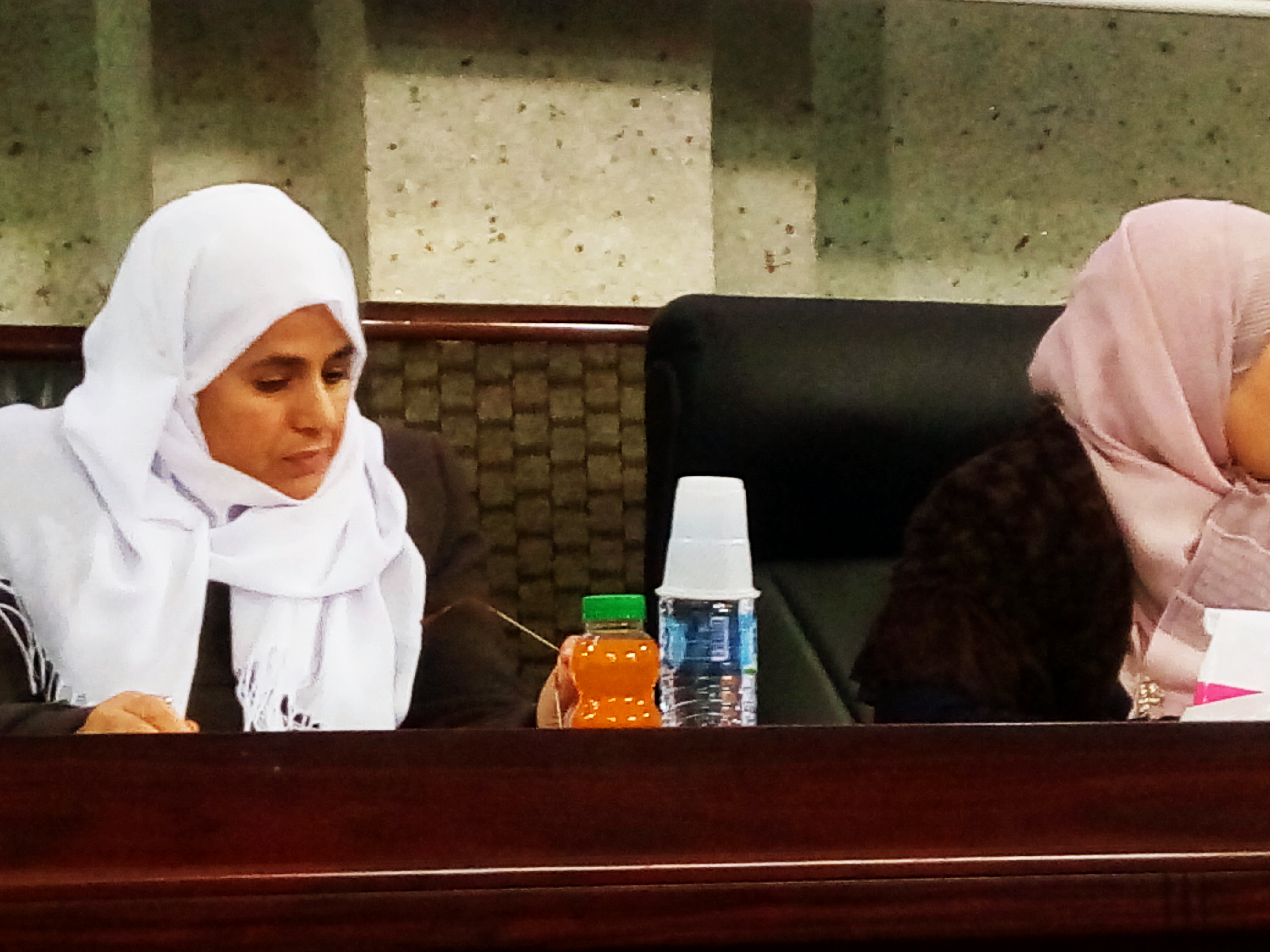
M. BENHISSEN Saliha

Prof

Directory of teachers

Department

Departement of Nature and life sciences

Research Interests

Ecologie et environnement- lutte biologique-comportement des insectes -inventaire

Contact Info

University of M'Sila, Algeria

On the Web:

  • Google Scholar N/A
  • ResearchGate
    ResearchGate N/A
  • ORCID N/A
  • SC
    Scopus N/A

Recent Publications

2025-12-23

Sublethal effects of Ruta chalepensis aqueous extract on sexual behavior and mate recognition in Blattella germanica

The German cockroach (Blattella germanica) is a resilient pest that exhibits a high reproductive
capacity, posing significant risks to hygiene and human health. Recently, plant extracts have emerged
as promising, environmentally safe alternatives for insect control. To mitigate the harmful effects of
Blattella germanica, we conducted experiments using Ruta chalepensis. Preliminary trials involved
administering aqueous plant extracts by ingestion, testing varying concentrations and exposure times to
establish a sub-lethal dose (500 µg/mL). This dose was selected to study the plant’s effects on the pest’s
behavior. Sub-lethal concentration (500 µg/mL) of the extract disrupted sexual attractiveness. Results
confirmed that 86.66% of untreated control adults were attracted to extracts from untreated males and
females. In contrast, adults treated with R. chalepensis leaf extracts (500 µg/mL) showed significantly
reduced attraction (20–30%) to extracts from both treated and untreated individuals, regardless of sex.
Additionally, sub-lethal concentrations altered the progression of sexual behavior phases. Treated
partners exhibited no successful mating events, whereas untreated controls achieved an 80% success
rate. These findings suggest that sub-lethal doses of this bio-insecticide interfere with chemical signals
critical for mate recognition, impairing the cockroaches’ ability to detect or interpret these cues.
Citation

M. BENHISSEN Saliha, Wafa HABBACHI, Feriel Kheira KEBAILI, , (2025-12-23), "Sublethal effects of Ruta chalepensis aqueous extract on sexual behavior and mate recognition in Blattella germanica", [national] BIHAREAN BIOLOGIST , Biharean Biologist, Oradea, Romania

2025-12-08

Etude de l’effet de larvicide de l’extrait aqueux des feuilles d’Euphorbia flavicoma sur les blattes urbaines (Blattella germanica).

Etude de l’effet de larvicide de l’extrait aqueux des feuilles d’Euphorbia flavicoma sur les blattes urbaines (Blattella germanica).
Citation

M. BENHISSEN Saliha, Nora Belkhiri, , (2025-12-08), "Etude de l’effet de larvicide de l’extrait aqueux des feuilles d’Euphorbia flavicoma sur les blattes urbaines (Blattella germanica).", [international] 1st International Seminar on the Valorization of Bioresources: Health, Environment and Impact on Sustainable Development (VBHEISD’2025), December 8–9, 2025, University of Constantine , University of Constantine

2024-12-15

First entomological inventory of Forest Cockroaches of Bouira Region (Northern Algeria)

Abstract
Cockroaches play an important role in ecosystems. In natural environments, such as forests, they feed on organic maer, such as dead leaves and participate in their decomposition. In this work, we carried out an inventory of the cockroaches which live in the area of B ouira in Algeria, more precisely in the Fedj Dirrah pine forest and the El Meghnine pine forest in order to identity and quantify them. We also conducted a study of the natural habitat of forest cockroaches in these pine forests. The results demonstrated the presence of five species belonging to the Blaellidae family distributed over three genera; the species are: Loboptera
decipiens, Loboptera ovolobata, DziriblaÆa stenoptera,
Phyllodromica trivitaÆa and Capraiellus
panzeri. Loboptera decipiens is the most abundant species with a percentage of 58.78% and it is classified
among the regular species (i.e. common).The results obtained from the study of the natural habitat of forest cockroaches showed that organic maer, mineral maer and organic carbon are the principal ecological parameters indicating the presence and activity of the Blaellidae in
these forests. Therefore, the results obtained indicate that this environment is rich in species (cockroaches), and that these environments are favorable to the survival of forest cockroaches.
Citation

M. BENHISSEN Saliha, (2024-12-15), "First entomological inventory of Forest Cockroaches of Bouira Region (Northern Algeria)", [national] ecologia mediterranea , Dr Élise Buisson & Dr Brigi e Talon

2024-12-14

Direct and delayed effect of the plant Cleome amblyocarpa Barratte & Murb (Capparidaceae) on the two species of (Blattodea) Blattella germanica (Linnaeus, 1767) and Shelfordel lateralis (Walke1868).

Direct and delayed effect of the plant Cleome amblyocarpa Barratte & Murb (Capparidaceae) on the two species of (Blattodea) Blattella germanica (Linnaeus, 1767) and Shelfordel lateralis (Walke1868).
Citation

M. BENHISSEN Saliha, S Bounadji, FK Kebaili, N Belkhiri, W Habbachi, F Abbas, S. Samaili, , (2024-12-14), "Direct and delayed effect of the plant Cleome amblyocarpa Barratte & Murb (Capparidaceae) on the two species of (Blattodea) Blattella germanica (Linnaeus, 1767) and Shelfordel lateralis (Walke1868).", [national] Studia Universitatis Babeş-Bolyai Biologia , Studia Universitatis Babeş-Bolyai Biologia

2024-11-30

First contribution to inventory of plants with allergenic pollen in the Maadid region ( M'sila, Algeria)

The allergenic pollen flora of the Maadid region includes 59 species belonging to 19 botanical
families and 44 genera and is represented by 47 anemophilous species and 12 entomophilous species
responsible for allergies. This flora was inventoried during March to April 2019. Three families,
Poaceae, Anacardiaceae and Plantaginaceae dominate respectively. The chorological types of the
species show the dominance of the elements of the Mediterranean group over all the other groups,
followed by the cosmopolitan group. The biological types of species reveal the dominance of
phanerophytes and therophytes over all biological types, hemicryptophytes and geophytes.
Citation

M. BENHISSEN Saliha, Sabah Larit, , (2024-11-30), "First contribution to inventory of plants with allergenic pollen in the Maadid region ( M'sila, Algeria)", [national] Natural Resources and Sustainable Development , Natural Resources and Sustainable Development

2024-06-05

BIOLOGICAL STRUGGLE AGAINST TWO HURMFUL INSECTS – BLATTELLA GERMANICA (BLATTELLIDAE) AND CULISETA LONGIAREOLATA (CULICIDAE) – USING EUPHORBIA BUPLEUROIDES (EUPHORBIACEAE)

This study is topical and is of particular importance with the emergence and spread of vectorborne diseases in urban areas around the world, and in Algeria in particular. In this work we carried
out a toxicological test on the larvae of two species namely Culiseta longiareolata and Blattella
germanica which are considered harmful and can be carriers of many pathogens, with the use of the
aqueous extract of the plant Euphorbia bupleuroides for a certain time, the results of toxicity give a
toxic effect on the larvae determined at different lethal concentrations and sublethal (LC 50 % and LC
90 %).
Citation

M. BENHISSEN Saliha, Belkhiri Nora, Asloum Abdelmadjib Yagoub, Habbachi Wafa, , (2024-06-05), "BIOLOGICAL STRUGGLE AGAINST TWO HURMFUL INSECTS – BLATTELLA GERMANICA (BLATTELLIDAE) AND CULISETA LONGIAREOLATA (CULICIDAE) – USING EUPHORBIA BUPLEUROIDES (EUPHORBIACEAE)", [national] Natural Resources and Sustainable Development , Natural Resources and Sustainable Development

2023-11-22

Effects of Spinosad and Bacillus thuringiensis kurstaki on Culex pipiens Linnaeus, 1758 (Diptera: Culicidae): Adults’ Fertility, Fecundity and Cuticular Hydrocarbons

This study aimed to evaluate the effect of two bacterial preparations: Spinosad and Bacillus thuringiensis
kurstaki (Btk), which were applied at low concentrations (20 µg/l and 23 mg/l, respectively) on L4 larvae
of the Culex pipiens. This application was used to assess their effects on mortality of the larvae, reproduction and cuticular hydrocarbons in adults resulting from this treatment. The results showed that both bacteria caused a death rate higher than 80 %, and the sub-lethal doses, despite being less toxic to mosquitoes,
caused disturbances in the fecundity and fertility of the adults emerging from treated larvae. The use of
sublethal doses of Spinosad induced a quantitative increase in cuticular hydrocarbons at a rate of 36 % to
42 % in treated males and females, respectively. Furthermore, the sublethal dose of Btk causes a reduction
in the cuticular hydrocarbons by 59–64 % in both sexes. The results also show that there are no significant
differences in the amounts of cuticular hydrocarbons in treated males and females. The results show that
the two bacteria are promising as bio-insecticides against C. pipiens and could be good alternatives to
chemical pesticides.
Key words: Btk, Culex pipiens, cuticular hydrocarbons, fecundity, fertility, Spinosad
Citation

M. BENHISSEN Saliha, Wafa Habbachi, , (2023-11-22), "Effects of Spinosad and Bacillus thuringiensis kurstaki on Culex pipiens Linnaeus, 1758 (Diptera: Culicidae): Adults’ Fertility, Fecundity and Cuticular Hydrocarbons", [national] Acta Zoologica Bulgarica , Bulgarian Academy of Sciences (BAS)

2023-11-12

Floristic and syntaxonomical study of the Dreat forest in the province of M’sila, central Algeria

Abstract: For a study on the vegetation of the Dreat forest, located in the chain of Western Hodna in a semi-arid zone of central Algeria. 94 stations were sampled following a subjective sampling during the 4 years 2018-2021 in order to identify the main plant species constituting the floristic procession of these ecosystems. In addition, a classification of phytosociological groups is carried out following statistical analyses (AC, AHC) to study the vegetation as well as a phytosociological typology and syntaxonomic units. This analysis showed a considerable species richness, estimated at around 471 taxa belonging to 284 genera and 66 families. Within the prospected region, the analysis of the raw phytogeographical spectrum indicates a superiority of the Mediterranean group with 259 species. The pluriregional element (or group with a wide distribution) with 114 species occupies the second chorological position followed by the northern element (Nordic group) with 60 species. Finally, the endemics with 38 species.The phytosociological study of the Dreat mountains has revealed ten plant groups belonging to six phytosociological classes : the class of Quercetea ilicis Braun-Blanquet 1947, the class of Rosmarinetea officinalis Braun-Blanquet 1947 em Rivas Martinez, Diaz, Prieto, Loidi & Penas, 1991, the class Nerio -Tamaricetea Braun-Blanquet & Bolos 1956 (1957), the class Lygeo-Stipetea Rivas Martinez 1977, em Kaabeche 1990, the class Tuberarietea guttatae Braun-Blanquet 1952 em Rivas Martinez 1977 and the class Stellarietea mediae R. TX. Lohmeyer & Preising.
Keywords : flora, phytosociology, data analysis, CA, AHC, regressive dynamics.
Citation

M. BENHISSEN Saliha, (2023-11-12), "Floristic and syntaxonomical study of the Dreat forest in the province of M’sila, central Algeria", [national] Journal of EcoAgriTourism , EcoAgriTourism

2023-07-10

L’attractivité Alimentaire de Lobopteradecipiens (Blattellidae) par Citrus sinensis (Rutaceae)

////////////////////////////////////////////////////////////////////////
Citation

M. BENHISSEN Saliha, (2023-07-10), "L’attractivité Alimentaire de Lobopteradecipiens (Blattellidae) par Citrus sinensis (Rutaceae)", [international] The city at the heart of sustainability and digital challenges: Perspectives on urban and environmental issues , الجزائر

2023-07-09

L’attractivité Alimentaire de Loboptera decipiens (Blattellidae) par Citrus sinensis (Rutaceae)

Les blattes forestières sont l’un des insectes qui jouent un rôle important dans la décomposition des feuilles mortes et le recyclage de la matière organique. Dans ce travail nous avons testés l’attractivité alimentaire des larves, mâles et femelles d’une blatte forestière qui est Loboptera decipiens via la plante Citrus sinensis qui appartient à la famille des Rutacées, c’est un arbre à fleurs, et sa hauteur à maturité peut varier entre 5 et 15 m, ses branches sont épineuses et son feuillage est persistant.
L’expérience a été réalisé aux conditions de laboratoire par la préparation des extraits hexanoiques des feuilles fraiches et mortes des feuilles de Citrus sisensis en utilisant un olfactomètre (Tube Y) en trois temps d’extractions (15, 30 et 60min).
Les résultats montrent que les individus sont attirés par les feuilles fraiches de Citrus sinensis avec un pourcentage de 80% pour les deux groupes (larves et les femelles) et 73.33% pour les males. Concernant les feuilles mortes, les individus sont attirés avec un pourcentage de (86.67%, 73.33% et 66.67%) pour les larves, les femelles et les males Respectivement.
Mots-clés : Attractivité alimentaire, Loboptera decipiens, Citrus sinensis, olfactomètre, source odorante.
Citation

M. BENHISSEN Saliha, (2023-07-09), "L’attractivité Alimentaire de Loboptera decipiens (Blattellidae) par Citrus sinensis (Rutaceae)", [international] The city at the heart of sustainability and digital challenges: Perspectives on urban and environmental issues , USTHB – Algeria

2023-07-08

l'effet des molécules actives de l'extrait aqueux de Ruta chalepensis sur le comportement sexuele de Blattela germanica

///////////////////////////////////
Citation

M. BENHISSEN Saliha, Masna Fatiha, , (2023-07-08), "l'effet des molécules actives de l'extrait aqueux de Ruta chalepensis sur le comportement sexuele de Blattela germanica", [national] Perturbation ebdocriens environnement et perproduction , الجزائر

Valorisation des extraits aqueux de la plante saharienne Cleom arabica contre Blatta germanica

////////////////////////////////////////////////
Citation

M. BENHISSEN Saliha, Waffa Habbachi, , (2023-07-08), "Valorisation des extraits aqueux de la plante saharienne Cleom arabica contre Blatta germanica", [national] Perturbation ebdocriens environnement et perproduction , الجزائر

2023-04-30

Study of the Stimulating and Attractive Factors of Oviposition of Culex pipiens (Diptera; Culicidae) in Different Environments

Abstract
The study of the chemical and physical factors that induce egg-laying is
important for understanding mosquitoes' ecology. These substances may also help
assess and control mosquito populations. With this in mind, we have highlighted the
attractiveness of Culex pipiens gravid females concerning the containers' color and
surface, which has enabled us to show that females of this species are always
attracted to large containers of yellow. The ethological tests were made with four
biopesticides on the attractiveness of C. pipiens females. It has been observed that
the highest densities of the eggs are deposited in the container which contains the
biopesticides extracts compared to that which includes the spring water with a
significant difference between the two environments (p: 1.00). This choice is due to
the presence of odorous molecules which attract the mosquito.
Keywords: Attractiveness, bioinsecticide, color, Culex pipiens, oviposition, surface
Citation

M. BENHISSEN Saliha, Masna Fatiha, Habbachi Wafa, , (2023-04-30), "Study of the Stimulating and Attractive Factors of Oviposition of Culex pipiens (Diptera; Culicidae) in Different Environments", [national] Iraqi Journal of Science , Iraqi National Library & Archives

2023-01-21

First inventory of medicinal plants used for the treatment of functional intestinal disorders in the region of Sidi Aissa (M'sila, Algeria)

Abstract
The ethno-botanical surveys carried out using the questionnaire sheets made it possible to inventory 17 medicinal species
intended for the treatment of functional intestinal disorders and to collect as much information as possible concerning local
traditional therapeutic uses in the region of Sidi Aissa. The leaves and seeds are the most used part, while the mode of
preparation differs according to the plant but the decoction and the infusion remain the most widespread mode.
These results can be considered as a source of information for scientific research in the field of phytochemistry and
pharmacology.
Citation

M. BENHISSEN Saliha, (2023-01-21), "First inventory of medicinal plants used for the treatment of functional intestinal disorders in the region of Sidi Aissa (M'sila, Algeria)", [national] International Journal of Botany Studies , International Journal of Botany Studies

2023-01-13

SYSTEMATIC AND TOXICOLOGICAL STUDY WITH SYNERGY OF THE MOSQUITOES IN EL KANTARA REGION (BISKRA, SOUTHERN ALGERIA)

Recent years have seen the re-emergence of vector-borne diseases, representing more than 17% of infectious diseases globally. Most of these diseases
can be prevented by vector control measures. Series of difficulties which are linked to the fight. Plant insecticides can present interesting alternatives
to the chemical insecticides currently used in the fight against these pests. In the first part, we have inventoried the vector species in the region of El
Kantara, Biskra, by conducting surveys of three sites. The second part focuses on the biological control of the larvae of the most abundant species in
the region, that is, Culiseta longiareolata. The faunal inventory of the species of Culicidae in the three sites of El Kantara showed seven species belonging to three genera. The genus Culiseta was the best represented, particularly with the species C. longiareolata (89.91%). The toxicological activity of
the ethanoic extracts of the seeds of Peganum harmala and Citrullus colocynthis was studied in synergy against the larvae of Culiseta longiareolata at
different concentrations. The mortality rate increased over time to reach more than 70% after 5 days.
Key words: biodiversity, culicidae, Culiseta longiareolata, ethanolic extracts, Peganum harmala, Citrullus colocynthis.
Citation

M. BENHISSEN Saliha, NORA BELKHIRI, , (2023-01-13), "SYSTEMATIC AND TOXICOLOGICAL STUDY WITH SYNERGY OF THE MOSQUITOES IN EL KANTARA REGION (BISKRA, SOUTHERN ALGERIA)", [national] Journal of the Institute of Landscape Ecology, Slovak Academy of Sciences , Ekológia (Bratislava)

2023

L’attractivité Alimentaire de Lobopteradecipiens (Blattellidae) par Citrus sinensis (Rutaceae).

L’attractivité Alimentaire de Lobopteradecipiens (Blattellidae) par Citrus sinensis (Rutaceae).
Citation

M. BENHISSEN Saliha, Siham BOUNADJI, Zakaria HEDJOULI, Abdelmadjid Yagoub ASLOUM, Wafa HABBACHI, , (2023), "L’attractivité Alimentaire de Lobopteradecipiens (Blattellidae) par Citrus sinensis (Rutaceae).", [international] The 1st International Webinar « The city at the heart of sustainability and digital challenges: Perspectives on urban and environmental issues».CHSDC 2023. 9 &10 July, 2023. USTHB – Algeria , USTHB Alger

Inventory of wild and ornamental plants in green space of M’sila University - Pole 2 (Algeria) — first report

The ornamental flora of green spaces of the University of M’sila (Pole 2) includes 32 ornamental plants (tree, shrub and herbaceous), belonging to 22 botanical families and 29 genera. The green contains 89 wild plants belonging to 29 families which find refuge at the edge and in these green spaces; of which the Asteraceae family is most abundant, in second place comes the Fabaceae and Poaceae families, then the Brassicaeae with and Euphorbiaceae on the other hand the Geraniaceae, the Plantaginaceae, the Polygonaceae are weakly represented. The chorological types of wild species show the dominance of the elements of the Mediterranean group over all other groups. The analysis of biological types of wild species reveals the dominance of therophytes over all biological types, followed by hemicryptophytes, geophytes and chamaephytes.
Citation

M. BENHISSEN Saliha, Nabila Ouadeh, Zakaria Hedjouli, Youcef Rebbas, , (2023), "Inventory of wild and ornamental plants in green space of M’sila University - Pole 2 (Algeria) — first report", [national] Current Horticulture , Current Horticulture

2022-12-01

Weed flora of crops in the Hammam Dhalaa region (M’sila; Algeria)

the flora
Citation

M. BENHISSEN Saliha, (2022-12-01), "Weed flora of crops in the Hammam Dhalaa region (M’sila; Algeria)", [national] Journal of EcoAgriTourism , LIVIU GACEU Ph. D Habil

Inventory of anti diarreheal plants in the Ouanougha region (M’sila; Algeria).

the anti dhiral
Citation

M. BENHISSEN Saliha, (2022-12-01), "Inventory of anti diarreheal plants in the Ouanougha region (M’sila; Algeria).", [national] Journal of EcoAgriTourism , Journal of EcoAgriTourism

2022-11-30

BIOLOGICAL CONTROL OF CULEX PIPIENS PIPIENS (CULICIDAE, DIPTERA): AN EFFECT OF BACILLUS SPHAERICUS RECULTIVATION AND STORAGE ON MOSQUITOES

This study is conducted to make a commercial suspension in Algeria in replacement to the
harmful and expensive insecticide several morphological and biochemical features were done to
identify Bacillus sphaericus in the commercial suspension of Solvay & Cie (Brussels). It was found
negative in most of the following tests Voges Proskauer, mannitol mobility, Amidon hydrolysis,
conversion of glucose and galactose to acids, and respiratory type. It was also able to grow at 65°C
and it was resistant to Streptomycin, bacitracin, and susceptible tonchomycin. Five recultivation from
one culture to a new medium showed a loss of toxicity (23 times) to L1 and L2. Culex pipiens pipiens.
In the course of three months of storage, for the stock solutions kept at +4 and at -18 °C, the
poisonous potential of B. sphaericus, which was grown only once on MBS-tryptose from the commercial
suspension, changes between 80 and 123 times. When compared to an emulsion frozen in glycerin, the
toxicity of B. sphaericus held at +4 °C is often found to be more stable, especially over the last two
weeks. In comparison to the larvicidal activity of the solution held at +4 °C, between the second and
the twelfth week, the resistance of the solution stored at -18 °C has deteriorated over a two-week period
by a factor of 2.5 to 6. B. sphaericus was only once grown on MBS-tryptose from the commercial
suspension and has a variable toxic potential each toxicity test was repeated 3 times with controlled
experiments.
These experiments were executed in 2015 at Annaba university applied neuroendocrinology
laboratory. These series of experiments were executed in 2015 at Annaba university labs. basically to
study the effectiveness of B. sphaericus bacteria after the recultivation and the influence of the
conservation of it under two temperatures +4 °C and -18 °C to counter Culex pipiens pipiens.
Citation

M. BENHISSEN Saliha, Sellami Nadjette Laouabdia, Habbachi Waffa, , (2022-11-30), "BIOLOGICAL CONTROL OF CULEX PIPIENS PIPIENS (CULICIDAE, DIPTERA): AN EFFECT OF BACILLUS SPHAERICUS RECULTIVATION AND STORAGE ON MOSQUITOES", [national] Natural Resources and Sustainable Development , University of oradea faculty of environmental protection,University of Debrecen, Faculty of Agriculture, Food Science and Environmental Management.

2022-05-30

Découverte de niger (Guizotia abyssinica (L.f.) Cass. 1829 (Asteraceae) en Algérie et mise au point sur son utilisation.

abstract
Citation

M. BENHISSEN Saliha, (2022-05-30), "Découverte de niger (Guizotia abyssinica (L.f.) Cass. 1829 (Asteraceae) en Algérie et mise au point sur son utilisation.", [national] Algerian Journal of Biosciences , Faculty of Natural Sciences and Life, University of Echahid Hamma Lakhdar.

2022-01-10

INVENTORY OF INSECTS IN THE EL GHROUS' S PALM GROVE (BISKRA; ALGERIA)

The diversity and species richness of insects were studied at the palm grove of El Ghrous. The insects
were collected using two types of traps: Barber and Aerial. Forty-four insect species were inventoried. This
inventory shows a predominance of Order Coleoptera with 6 families, 13 species and 241 individuals, followed
by Hemiptera with 5 families, 7 species and 111 individuals, and Orthoptera with 2 families, 7 species and 54
individuals.
Key words: Insects; Oasis; Agro-ecosystem; Inventory; Biodiversity.
Citation

M. BENHISSEN Saliha, Wafa HABBACHI, Fatiha MASNA, S. Ben Lemkherbeche, , (2022-01-10), "INVENTORY OF INSECTS IN THE EL GHROUS' S PALM GROVE (BISKRA; ALGERIA)", [national] Biodiversity Conservation and Bioresource Management , Biodiversity Conservation Trust Foundation

2022-01-01

CHARACTERIZATION OF THE SITES AND POPULATION DYNAMICS OF AEDES GROUP (DIPTERA: CULICIDAE) IN THE OASES OF BISKRA, ALGERIA

In this work, we studied the distribution and group dynamics of Aedes species in the region of Biskra, which were essentially formed by three species Aedes caspius, Aedes detritus, and Aedes dorsalis, as well as the physicochemical characteristics of their breeding sites. The results showed that Aedes caspius was most abundant in all the three sites surveyed, with a rate of 66.43% of the total fauna indicated. While the remaining two mosquito species have different rates during the study period. From the estimates of the main physicochemical parameters of the water, we were able to show the relationship between the abundance of these mosquito species and the typology of breeding sites. These mosquitos were present in alkaline sites, with medium mineralization and high oxygen levels. Thus, these species likely choose salty water environment.
Citation

M. BENHISSEN Saliha, W. Habbachi, N. Belkhiri, , (2022-01-01), "CHARACTERIZATION OF THE SITES AND POPULATION DYNAMICS OF AEDES GROUP (DIPTERA: CULICIDAE) IN THE OASES OF BISKRA, ALGERIA", [national] J. biodivers. conserv. bioresour. manag. , https://www.banglajol.info/

STUDY OF THE FOOD ATTRACTIVENESS OF LOBOPETRA DECIPIENS (BLATTELLIDAE) BY PINUS HALPENSIS (PINACEAE).

Insect behavior is not fully defined. Biochemical stimulations of their nervous systems are caused essentially by one or many external factors whether food, sex pheromone, alarm pheromone, gregarious pheromone, and among those insects cockroaches. Many activities in the cockroach populations are based on the use of their antennae like communications and different attractiveness (food, pheromones). Our study is focused on applying a series of ethological tests in an olfactometer ("Y "tube) under red light, to test the food attractiveness of one of the forest cockroaches species belonging to the Blattellidae family, which is Loboptera decipiens (L. decipiens); Larvae, males and females. Those tests were determined under laboratory conditions by preparing hexanoic extracts using the fresh and dead leaves of Pinus halpensis (P. halpensis) in three extraction times 15min, 30min, and 60min. From the obtained results, we were able to indicate that most individuals of L. decipiens have detected the smell of food source, after a detection time that lasts and differs from one stage to another and from one dose of odor to another. These results show that the larval or adult individuals (males and females) are attracted to the hexanoic extracts of fresh leaves of P. halpensis with a percentage ranging from 80% to 100% for females, 73.33% to 86.67% for males and 73.33% to 93.33% for thve larvae. And the dead leaves attract the females from 66.67% to 73.33% and 66.67% of males and 73.33% to 80% for larvae.
Citation

M. BENHISSEN Saliha, WAFFA HABBACHI, , (2022-01-01), "STUDY OF THE FOOD ATTRACTIVENESS OF LOBOPETRA DECIPIENS (BLATTELLIDAE) BY PINUS HALPENSIS (PINACEAE).", [national] Journal of EcoAgriTourism , https://openurl.ebsco.com/

2022

INSECTICIDAL ACTIVITY OF THREE SOLANACEAE PLANTS (SOLANUM NIGRUM, NICOTIANA GLAUCA AND ATROPA BELLADONA) ON GERMAN COCKROACHES (BLATTELLA GERMANICA)

Cockroaches are dictyopteran insects that appeared on earth more than 440 million years ago, with more than 4440 species of cockroaches that are known to date, many of which are considered pests and cause many problems. health issues for humans, such as allergies. The fight against cockroaches is one of the current problems that the scientific world is trying to solve, in the face of the chemicals widely used today and which cause the development of resistance in the treated insects in addition to their impact on the environment. In the present study we tested the toxicity of the aqueous extract of three plants of Solanaceae ( Solanum nigrum , Nicotiana glauca and Atropa balladona ) with regard to the adults of Blattella germanica , where we marked a high mortality rate which can reaching 90% of the population after 30 days of exposure to a dose of 1000 μg / ml of the Solanum nigrum extract , the results give a toxic effect on cockroaches determined at different lethal and sublethal times (TL50% and TL 90 %).
Keywords: Cockroaches, Blattella germanica , Solanum nigrum , Nicotiana glauca , Atropa balladona , Toxic effect.
Citation

M. BENHISSEN Saliha, (2022), "INSECTICIDAL ACTIVITY OF THREE SOLANACEAE PLANTS (SOLANUM NIGRUM, NICOTIANA GLAUCA AND ATROPA BELLADONA) ON GERMAN COCKROACHES (BLATTELLA GERMANICA)", [national] Journal of EcoAgriTourism , Prof. LIVIU GACEU Ph. D Habil

STUDY OF THE FOOD ATTRACTIVENESS OF LOBOPETRA DECIPIENS (BLATTELLIDAE) BY PINUS HALPENSIS (PINACEAE)

Insect behavior is not fully defined. Biochemical stimulations of their nervous systems are caused essentially by one or many external factors whether food, sex pheromone, alarm pheromone, gregarious pheromone, and among those insects cockroaches. Many activities in the cockroach populations are based on the use of their antennae like communications and different attractiveness (food, pheromones). Our study is focused on applying a series of ethological tests in an olfactometer (“Y "tube) under red light, to test the food attractiveness of one of the forest cockroaches species belonging to the Blattellidae family, which is Loboptera decipiens (L. decipiens); Larvae, males and females. Those tests were determined under laboratory conditions by preparing hexanoic extracts using the fresh and dead leaves of Pinus halpensis (P. halpensis) in three
extraction times 15min, 30min, and 60min. From the obtained results, we were able to indicate that most individuals of L. decipiens have detected the smell of food source, after a detection time that lasts and differs from one stage to another and from one dose of odor to another. These results show that the larval or adult individuals (males and females) are attracted to the hexanoic extracts of fresh leaves of P. halpensis with a percentage ranging from 80% to 100% for females, 73.33% to 86.67% for males and 73.33% to 93.33% for thve larvae. And the dead leaves attract the females from 66.67% to 73.33% and 66.67% of males and 73.33% to 80% for larvae.
Keywords: Food attractiveness, Forest cockroach, Loboptera decipiens, Pinus halpensis.
Citation

M. BENHISSEN Saliha, (2022), "STUDY OF THE FOOD ATTRACTIVENESS OF LOBOPETRA DECIPIENS (BLATTELLIDAE) BY PINUS HALPENSIS (PINACEAE)", [national] Journal of EcoAgriTourism , Prof. LIVIU GACEU Ph. D Habil

2021-11-16

The Specific Richness of Forest Cockroach Communities in The Region of Aflou (Laghouat; Algeria)

Forest cockroaches are among the insects that play an important and effective role in forest
formations, they are insects with incomplete metamorphosis belonging to the order of
Blattodea. This work is a contribution to the knowledge of Blattoptera species existing in the
forest environments of Aflou’s region (Laghouat; Algeria).The inventory was carried out
monthly in the El-Khnegue Forest (Aflou) from February 2019 to May 2019. It revealed the
presence of six species of forest Cockroaches, which belongs to 4 genera of the Blattelidae
family. After identification, it was demonstrated that, these species were: Dziriblatta
nigriventris (Chopard, 1936), Dziriblatta stenoptera (Chopard, 1937), Loboptera ovolobata
(Bohn, 1991), Loboptera decipiens (Germar, 1817), Phyllodromica zebra (Rhen, 1903) and
Ectobius sp. (Stephens, 1835). Our results showed also that the soil and the thin layers of
litter provide favorable habitat for the development of different species. The litters are
composed mainly of leaves, which give very high organic carbon content with little humidity.
Keywords: Blattodea, cockroaches, forest, inventory, Laghouat.
INTRODUCTION
The forest is seen as an ecosystem
with multiple roles that should be
conserved or restored, it is an excellent
conservatory of biodiversity because of the
presence of animal and plant species
(Dajoz, 2006). Among this animal we have
the insects, which are the most dominant
group of organisms on earth, both in terms
of taxonomic diversity (> 50 % of all
species described) and ecological function
(Wilson, 1992). It has long been
recognized and documented those insects
are the most diverse group of organisms,
which means that the number of insect
species is more than any other group
(Hedjouli et al., 2021).
Cockroaches are an ancient form of insect,
Citation

M. BENHISSEN Saliha, Fatiha Masna, , (2021-11-16), "The Specific Richness of Forest Cockroach Communities in The Region of Aflou (Laghouat; Algeria)", [national] The Journal of Bioresource Management , Center for Bioresource Research

2021-09-06

Valorisation de plante en tant que bioinsecticide du Peganum harmala contre l’espèce nuisible ; Culiseta longiareolata (Culicidae)

/////////////////////////////
Citation

M. BENHISSEN Saliha, Waffa Habbachi, , (2021-09-06), "Valorisation de plante en tant que bioinsecticide du Peganum harmala contre l’espèce nuisible ; Culiseta longiareolata (Culicidae)", [national] séminaire national Virtuel des RVPNS 2021 , الجزائر

2021-06-09

LA VALORISATION DE l’EXTRAIT AQUEUX DE SOLANUM NIGRUM (SOLANACEAE) SUR LA MORTALITE DE CULISETA LONGIAREOLATA (CULICIDAE)

//////////////////////////////////////
Citation

M. BENHISSEN Saliha, Waffa habachi, , (2021-06-09), "LA VALORISATION DE l’EXTRAIT AQUEUX DE SOLANUM NIGRUM (SOLANACEAE) SUR LA MORTALITE DE CULISETA LONGIAREOLATA (CULICIDAE)", [national] séminaire national Virtuel des RVPNS 2021 , الجزائر

2021-05-26

INVENTORY AND DISTRIBUTION OF MOSQUITOES (DIPTERA, CULICIDAE) IN THE AURES REGION (BATNA, ALGERIA)

Mosquitoes are the most terrifying both for their abundance and for the diseases they
transmit. They are vectors of malaria, lymphatic filariasis and arbovirus such as yellow fever,
dengue, viral encephalitis and African horse sickness. These characteristics give this fauna
prominent importance and health interest. To identify the most widespread mosquito species,
we conducted for the first time an inventory in the Aures region more particularly the wilaya
of Batna (East of Algeria) from May 2017 to January 2020, we studied their diversity,
abundance and distribution. The sampling is done by monthly surveys of the various
localities chosen, using the dipping method to collect the larvae. In the various sites
prospected, we were able to collect a total of 8275 mosquito individuals presented by nine
species belonging to four different genera: Culiseta, Culex, Aedes and Anopheles of which
the genus Culiseta is the best represented, particularly with the species Culiseta longiareolata
(52.07%). It appears from what we have obtained that the Batna region reveals a significant
diversity of mosquitoes. This study aimed to inventory the Culicidian species more broadly
by surveys in several localities of Batna region at the level of different environments. This
will allow us to know the faunistic composition of the region, to collect and record
information on the vectors, their habitats and the conditions that favors their multiplication
within a given area.
KEYWORDS: Inventory, diversity, Culicidae, Batna region, mosquitoes.
Citation

M. BENHISSEN Saliha, NORA BELKHIRI, WAFA HABBACHI, NAAMA FRAH, NADIA ABERKANE, , (2021-05-26), "INVENTORY AND DISTRIBUTION OF MOSQUITOES (DIPTERA, CULICIDAE) IN THE AURES REGION (BATNA, ALGERIA)", [national] Journal of Bioresource Management , Center for Bioresource Research

2021-04-29

Abundance and Distribution of the Forest Cockroaches in Different Algerian EcosystemsDifferent Algerian Ecosystems

Forests have many insect species that are unique to biodiversity and play a crucial role in the
functioning of ecosystems. Forest cockroaches are the best example of forest litter insects,
which also help decompose fallen leaves. The composition of the Blattoptera fauna can vary
from one region to another, depending on the habitat and numerous biotic and abiotic factors
In order to study the diversity, abundance, and distribution of forest cockroaches in different
Algeria ecosystems, we have selected four sites from three Wilayas: Senalba (Djelfa), Ain
achir (Annaba), Seraidi (Annaba), and Lehnaya (El-taref). These sites are classified into two
distinct forest groups (Pinus halepensis and Quercus canariensis). In all areas, the samples
were collected each month manually, starting from April 2019 until March 2020. We have
collected 1231 individuals of cockroaches and describe eight species from all locations:
Loboptera ovolobata (Bohn, 1991), Loboptera decipiens (Germar, 1817), Ectobius kervillei
(Bolivar, 1907), Dziriblatta nigriventris (Chopard, 1936), Dziriblatta stenoptera (Chopard,
1937), Phyllodromica zebra (Rhen, 1903), Dziriblatta sp. (Chopard, 1936) and some Ectobius
(Stephens, 1835) specimens have not yet been identified. With 51% L. decipiens was the
most abundant species, followed by L. ovolobata with 27%. Despite that, the number of
larvae was substantially higher than the number of adults in all forests examined. However,
the abundance and biodiversity of cockroaches in the Djelfa forest were greater than those of
the other woods. This study made it possible to characterize the diversity and dynamics of
cockroach species populations in different Algerian ecosystems according to diverse
Mediterranean forests.
Citation

M. BENHISSEN Saliha, WAFA HABBACHI, FATIHA MASNA, SARA HABBACHI, WAFA HABBACHI, , (2021-04-29), "Abundance and Distribution of the Forest Cockroaches in Different Algerian EcosystemsDifferent Algerian Ecosystems", [national] Journal of Bioresource Management , Center for Bioresource Research

2021-04-28

Inventaire de la faune culicidienne dans la région d’El Hamel (M’sila, Algérie)

///////////////////
Citation

M. BENHISSEN Saliha, (2021-04-28), "Inventaire de la faune culicidienne dans la région d’El Hamel (M’sila, Algérie)", [international] International Seminar on Biodiversity, Valorization and Conservation of Urban and Forest Ecosystems: (In support of sustainable development) , الجزائر

2021-04-07

la mise en valeure de l'extrait aqueux de Physalis acutfola commen bioinsecticide contre Culiseta longiareolata

///////////////////////////
Citation

M. BENHISSEN Saliha, Habbachi Waffa, , (2021-04-07), "la mise en valeure de l'extrait aqueux de Physalis acutfola commen bioinsecticide contre Culiseta longiareolata", [international] New vision in sustainable amortization of Biodiversity of uncertain areas , الجزائر

2021

Inventory and Distribution of Mosquitoes (Diptera, Culicidae) in the Aures Region (Batna, Algeria)

Mosquitoes are the most terrifying both for their abundance and for the diseases they transmit. They are vectors of malaria, lymphatic filariasis and arbovirus such as yellow fever, dengue, viral encephalitis and African horse sickness. These characteristics give this fauna prominent importance and health interest. To identify the most widespread mosquito species, we conducted for the first time an inventory in the Aures region more particularly the wilaya of Batna (East of Algeria) from May 2017 to January 2020, we studied their diversity, abundance and distribution. The sampling is done by monthly surveys of the various localities chosen, using the dipping method to collect the larvae. In the various sites prospected, we were able to collect a total of 8275 mosquito individuals presented by nine species belonging to four different genera: Culiseta, Culex, Aedes and Anopheles of which the genus Culiseta is the best represented, particularly with the species Culiseta longiareolata (52.07%). It appears from what we have obtained that the Batna region reveals a significant diversity of mosquitoes. This study aimed to inventory the Culicidian species more broadly by surveys in several localities of Batna region at the level of different environments. This will allow us to know the faunistic composition of the region, to collect and record information on the vectors, their habitats and the conditions that favors their multiplication within a given area
Citation

M. BENHISSEN Saliha, Wafa Habbachi, Abdelmadjid Yagoub Asloum, , (2021), "Inventory and Distribution of Mosquitoes (Diptera, Culicidae) in the Aures Region (Batna, Algeria)", [national] Journal of Bioresource Management , J Biores Manag.,

Preliminary Inventory and General Aspect of the Distribution of Culicidae Species in the Steppe Region (M'sila, Algeria)

Mosquitoes are important living organisms that participate in the different levels of food chains. However, many families include vector species capable to transmit viruses, bacteria and parasites to both humans and animals, threatening the public health. The goal of this work was to describe the biological diversity of mosquito species in different areas in M'sila; Algeria based on the ecological nature of their habitat. The breeding sites found were 18 distributed in five areas (Berhoum, Bou Saâda, El hamel, Hammam Dhalaa and M'sila). The inventory that was carried out from September to April every year from 2017 to 2019 has revealed 14 species of Culicidae distributed through three genera. The Culiseta longiareolata species was the most predominant, occupying different types of permanent and temporary breeding sites. However, the distribution of species based on the ecological types of these sites revealed: Anopheles cinereus, Anopheles sergentii, Culex brumpti, Culex deserticola, Culex hortensis, Culex impudicus, Culex laticinctus, Culex martinii Culex modestus,Culex perexiguus,Culex pipiens, Culex theileri and Culiseta longiareolata species presence The study of mosquito populations in the M’sila region has never been approached ecologically, biologically and systematically. Focus of this study was devoted to the systematics of Culicidae species, as well as the characterization of their structure, using ecological parameters as well as the study of Spatio-temporal variations, of the Culicidae population
Citation

M. BENHISSEN Saliha, Abdelmadjid Yagoub Asloum, Wafa Habbachi, Zakaria Hedjouli, , (2021), "Preliminary Inventory and General Aspect of the Distribution of Culicidae Species in the Steppe Region (M'sila, Algeria)", [national] Journal of Bioresource Management , J Biores Manag.,

Abundance and Distribution of the Forest Cockroaches in Different Algerian Ecosystems

Forests have many insect species that are unique to biodiversity and play a crucial role in the functioning of ecosystems. Forest cockroaches are the best example of forest litter insects, which also help decompose fallen leaves. The composition of the Blattoptera fauna can vary from one region to another, depending on the habitat and numerous biotic and abiotic factors In order to study the diversity, abundance, and distribution of forest cockroaches in different Algeria ecosystems, we have selected four sites from three Wilayas: Senalba (Djelfa), Ain achir (Annaba), Seraidi (Annaba), and Lehnaya (El-taref). These sites are classified into two distinct forest groups (Pinus halepensis and Quercus canariensis). In all areas, the samples were collected each month manually, starting from April 2019 until March 2020. We have collected 1231 individuals of cockroaches and describe eight species from all locations: Loboptera ovolobata (Bohn, 1991), Loboptera decipiens (Germar, 1817), Ectobius kervillei (Bolivar, 1907), Dziriblatta nigriventris (Chopard, 1936), Dziriblatta stenoptera (Chopard, 1937), Phyllodromica zebra (Rhen, 1903), Dziriblatta sp. (Chopard, 1936) and some Ectobius (Stephens, 1835) specimens have not yet been identified. With 51% L. decipiens was the most abundant species, followed by L. ovolobata with 27%. Despite that, the number of larvae was substantially higher than the number of adults in all forests examined. However, the abundance and biodiversity of cockroaches in the Djelfa forest were greater than those of the other woods. This study made it possible to characterize the diversity and dynamics of cockroach species populations in different Algerian ecosystems according to diverse Mediterranean forests.
Citation

M. BENHISSEN Saliha, Zakaria Hedjouli, Wafa Habbachi, Fatiha Masna, , (2021), "Abundance and Distribution of the Forest Cockroaches in Different Algerian Ecosystems", [national] Journal of Bioresource Management , J Biores Manag.,

LARVICIDAL ACTIVITY OF EXTRACTS FROM SIX PLANT SPECIES ON LARVAE OF Culiseta longiareolata (DIPTERA; CULICIDAE)

Because of the environmental problems and dangers to human health caused by chemical insecticides, the use of natural biocides seems to be imperative. In this context toxicity tests were carried out according to the protocol of the World Health Organization (WHO) for six aqueous extracts of leaves of: Ambrosia Maritima, Hertia centifolia, Xanthium strumarium, Datura stramonium, Solanum elaeagnifolium, and Salvea verbena, with a series of three doses for each extract. The evaluated extracts showed good larvicidal activity against the fourth instar larvae of Culiseta longiareolata mosquito, the decoction method is used for the preparation of extracts. The mortality rate increases depending on the concentration of the used extract and the exposure time, with interesting lethal concentrations LC50% and LC90%, A. Maritima (11.65 μg / ml and 52.40 μg / ml) after 120 hours and D. stramonium (16.94 μg / ml and 28.36 μg / ml) after 96 hours. While the lethal times LT50% and LT90% do not exceed (0,01 day to 2,14 day) at a dose of 219.9 μg / ml of S. elaeagnifolium (0,95 day to 1,34 day) with a dose of 160 μg / ml of H. centifolia.
Belkhiri et al.
99
S. elaeagnifolium, H. centifolia and D. stramonium showed an excellent larvicidal activity of the aqueous extract of the leaves of the studied plants.
Citation

M. BENHISSEN Saliha, (2021), "LARVICIDAL ACTIVITY OF EXTRACTS FROM SIX PLANT SPECIES ON LARVAE OF Culiseta longiareolata (DIPTERA; CULICIDAE)", [national] Plant Cell Biotechnology and Molecular Biology , Plant Cell Biotechnology and Molecular Biology

RICHESSE ET ABONDANCE DES BLATTES URBAIN DANS LA REGION SEMI-ARIDE (M’SILA ; ALGERIE).

En Afrique du Nord, peu de recherches ont été effectuées sur la faune des Orthoptéroïdes et plus particulièrement sur les Dictyoptères. Les blattes sont apparues sur terre il y a plus de 400 millions d'années. Ils se sont adaptés à tous les milieux dont plus de 4000 espèces de blattes sont connues à ce jour. Ils sont des espèces qui vivent la nuit et qui s’abritent dans les endroits qui leur fournissent un microclimat convenable et leur permettent d'avoir un accès facile à la nourriture.
Dans ce travail nous avons établir un inventaire durant une période allant du Décembre 2019 jusqu’à Avril 2020 Des différents peuplements de blattes dans les régions de Bou saâda et Sidi wilaya de M’sila. L’inventaire est réalisé dans des différents endroits (maisons, boulangerie, Hôpital). La récolte se fait à l’aide d’un tube (collecte manuelle des insectes) et par des pièges. L’identification des espèces se fait par une loupe binoculaire et les clés d'identification de Chopard.
Nous avons récolté un nombre total de 1176 individus et identifier 3 espèces de blattes domestiques appartenant de 3 genres et deux la famille (Blattellidae et Blattidae), il s’agit de Blattella germanica, Supella longipalpa et Periplaneta americana. Nous avons trouvé que B. germanica la plus abondante dans notre région d’étude.
Mots-clés : Richesse, abondance, urbain, blattes, M’sila
Citation

M. BENHISSEN Saliha, (2021), "RICHESSE ET ABONDANCE DES BLATTES URBAIN DANS LA REGION SEMI-ARIDE (M’SILA ; ALGERIE).", [national] Les ressources naturelles face aux contraintes d'usage et des changement climatiques (SENACUC) , Centre universitaire Abedelhafid Boussouf de Mila (Algérie)

Effets toxicologiques des grains de Solanum sodomaeum (Solanaceae) sur les mâles de Blattella germanica (Dictyoptera ; Blattellidae)

Solanum sodomaeum appartient à la famille des solanacées. Cette espèce est répartie en Méditerranée occidentale, de l’Espagne à la Grèce, du Maroc à la Libye. Cette plante est utilisée en médecine traditionnelle comme antidouleur contre migraine et malaises gastriques, Toutes les parties de la plante sont toxiques, mais ce sont les fruits qui sont le plus souvent responsables d’intoxication.
Dans ce travail nous avons intéressé aux effets toxicologiques de molécules extraites de la plante de S. sodomaeum. Le traitement se fait par ingestion, les expériences sont réalisées aux conditions de laboratoire. Nous avons enregistré la mortalité des individus adultes mâles de Blattella germanica traités par l’extrait aqueux des grains de S. sodomaeum pour déterminer les temps létaux et les concentrations létales (CL50%, CL90%, TL50%, TL90%).
Après 30 jours de traitement, les résultats montrent que le taux de mortalité augmente en fonction du temps d’exposition et en fonction des concentrations utilisées. Ces résultats sont confirmés par les calculs des valeurs des CL50 %, CL90%, TL50% et TL90% qui diminuent avec l’augmentation de la durée de traitement et/ou la concentration du produit.
Mots-clés : Valorisation, Toxicité, Solanum sodomaeum, Extrait aqueux, Blattella germanica
Citation

M. BENHISSEN Saliha, (2021), "Effets toxicologiques des grains de Solanum sodomaeum (Solanaceae) sur les mâles de Blattella germanica (Dictyoptera ; Blattellidae)", [national] Ressources végétales, Produits Naturels et Santé (RVPNS2021) , UNIVERSITE SAAD DAHLAB BLIDA 1 (Algérie)

L’impact des molécules bioactives des extraits aqueux de Ruta chalepensis (Rutaceae) sur Blattella germanica

Ruta chalepensis ou Fijel appartient à la famille des Rutaceae est une espèce méditerranéenne, relativement commune dans toute l’Algérie septentrionale. Elle est considérée comme mellifère et sa présence éloigne les vipères. Elle repousse les insectes et utilisée contre la gale et les parasites de la tête. C’est une plante à manier avec précaution car son huile essentielle est toxique.
L’effet de l’extrait aqueux des feuilles de R. chalepensis a été observé avec des différents doses (150,250 et 500 µg/µl) sur la mortalité des adultes (mâles et femelles) de la blatte germanique dans les conditions de laboratoire pour déterminer les temps létaux (TL50% et TL90%) pour chacun.
Après 30 jours de traitement, les résultats montrent que le taux de mortalité augmente en fonction des doses utilisées est surtout en fonction du temps d’exposition. La mortalité est plus importante chez les mâles que les femelles qui présente une forte résistance vis-à-vis les produits insecticides. Ces résultats sont confirmés par les calculs des temps létaux (TL50% et TL90%). Certains composés de R. chalepensis pourraient être utiles dans l'élaboration ou la synthèse de bio-insecticides, dans le cadre d'une lutte intégrée contre les espèces nuisibles
Mots-clés : Molécules bioactives, extrait aqueux, toxicité, Ruta chalepensis, Blattella germanica
Citation

M. BENHISSEN Saliha, (2021), "L’impact des molécules bioactives des extraits aqueux de Ruta chalepensis (Rutaceae) sur Blattella germanica", [international] PERTURBATEUPERTURBATEURS ENDOCRINIENS ENVIRONNEMENT & REPRODUCTION (PEER 2021)RS ENDOCRINIENS ENVIRONNEMENT & REPRODUCTION (PEER 2021) , l’université Blida 1 (Algérie)

Valorisation de l’effet toxique des différentes doses de la plante Ruta chalpensis sur les femelles de Blattella germanica ; (Blattellidae)

Ruta chalepensis ou Fijel appartient à la famille des rutacées. C’est une espèce originaire d’Afrique du nord répondu dans la région méditerranéenne. Elle est récoltée à l’état sauvage pour différents usages. Elle est considérée comme mellifère et sa présence éloigne les vipères. Elle repousse les insectes et utilisée contre la gale et les parasites de la tête. C’est une plante à manier avec précaution car son huile essentielle est toxique.
Dans ce travail nous nous sommes intéressés aux effets toxicologiques des différents doses (150, 250, 500g/l) de l’extrait aqueux des feuilles de R. chalepensis contre les femelles de la blatte germanique. Le traitement se fait par ingestion, les expériences sont réalisées aux conditions de laboratoire. Nous avons enregistré la mortalité des femelles de Blattella germanica pendant 30 jours de traitements pour déterminer les temps létaux (TL50% et TL90%).
Nous avons enregistré un taux de mortalité élevé au bout de 30 jours, les résultats montrent que le taux de mortalité augmente en fonction des doses utilisées est surtout en fonction du temps d’exposition. Ces résultats sont confirmés par les calculs des temps létaux (TL50% et TL90%).
Mots-clés : Valorisation, Toxicité, Bio-insecticide, Ruta chalepensis, B. germanica.
Citation

M. BENHISSEN Saliha, (2021), "Valorisation de l’effet toxique des différentes doses de la plante Ruta chalpensis sur les femelles de Blattella germanica ; (Blattellidae)", [national] Ressources végétales, Produits Naturels et Santé (RVPNS2021) , UNIVERSITE SAAD DAHLAB BLIDA 1 (Algérie)

L’INFLUENCE D’UNE PLANTE MEDICINALE RUTA CHALEPENSIS CONTRE UNE ESPECE NUISIBLE BLATTELA GERMANICA (BLATTELLIDAE)

Ruta chalepensis ou Fijel appartient à la famille des rutacées. C’est une espèce originaire d’Afrique du nord répondu dans la région méditerranéenne. Elle est considérée comme mellifère et sa présence éloigne les vipères. Elle repousse les insectes et utilisée contre la gale et les parasites de la tête. C’est une plante à manier avec précaution car son huile essentielle est toxique.
Dans ce travail nous nous sommes intéressés aux effets toxicologiques des différents doses (150, 250, 500g/l) de l’extrait aqueux des feuilles de R. chalepensis contre les mâles de la blatte germanique. Le traitement se fait par ingestion, les expériences sont réalisées aux conditions de laboratoire. Nous avons enregistré la mortalité des males de Blattella germanica pendant 30 jours de traitements pour déterminer les temps létaux et les concentrations létales (TL50% et TL90%).
Nous avons enregistré un taux de mortalité élevé au bout de 30 jours, les résultats montrent que le taux de mortalité augmente en fonction des doses utilisées est surtout en fonction du temps d’exposition. Ces résultats sont confirmés par les calculs des temps létaux et des concentrations létales (TL50% et TL90%).
Mots-clés : L’influence, plante médicinale, R. chalepensis, Bio-insecticide, B. germanica
Citation

M. BENHISSEN Saliha, (2021), "L’INFLUENCE D’UNE PLANTE MEDICINALE RUTA CHALEPENSIS CONTRE UNE ESPECE NUISIBLE BLATTELA GERMANICA (BLATTELLIDAE)", [international] La Biodiversité, Environnement et Santé , Telemcen (Algérie)

L’effet des molécules active de l’extrait aqueux de Ruta chalepensis (Rutaceae) sur le comportement sexuel de Blattella germanica (Blattellidae)

Ruta chalepensis ou Fijel appartient à la famille des Rutaceae est une espèce méditerranéenne, relativement commune dans toute l’Algérie septentrionale. Elle est considérée comme mellifère et sa présence éloigne les vipères. Elle repousse les insectes et utilisée contre la gale et les parasites de la tête. C’est une plante à manier avec précaution car son huile essentielle est toxique.
L’effet des concentrations sub-létales (500µg/µl) de l’extrait aqueux des feuilles de R. chalepensis a été observé sur le comportement sexuelle des adultes (mâles et femelles) de Blattella germanica dans les conditions de laboratoire. Pour déterminer l’effet de produit sur le déroulement du comportement sexuel (sur les différentes séquences conduisant à l’accouplement). Nous avons réalisé des tests en enceinte close. On a réalisé quatre tests (n=10) : (Mâles témoins x Femelles Ruta chalepensis ou Fijel appartient à la famille des Rutaceae est une espèce méditerranéenne, relativement commune dans toute l’Algérie septentrionale. Elle est considérée comme mellifère et sa présence éloigne les vipères. Elle repousse les insectes et utilisée contre la gale et les parasites de la tête. C’est une plante à manier avec précaution car son huile essentielle est toxique.
L’effet des concentrations sub-létales (500µg/µl) de l’extrait aqueux des feuilles de R. chalepensis a été observé sur le comportement sexuelle des adultes (mâles et femelles) de Blattella germanica dans les conditions de laboratoire. Pour déterminer l’effet de produit sur le déroulement du comportement sexuel (sur les différentes séquences conduisant à l’accouplement). Nous avons réalisé des tests en enceinte close. On a réalisé quatre tests (n=10) : (Mâles témoins x Femelles témoins ; mâles témoins x femelles traités ; mâles traités x femelles témoins ; mâles traités x femelles traités).
Les résultats obtenus présentent que l’accouplement des congénères témoins : 60 % d’accouplement est aboutie avec succès, et 40 % d’accouplement est avorté. Alors que tous les couples traités par les concentrations sub-létales de R. chalepensis ses accouplements sont nuls. Ces résultats montrent que R. chalepensis influe sur les couples de B. germanica traités, Le produit empêche les séquences de léchage, tentative et l’accouplement.
Mots Clés : Molécules active, extraits aqueux, comportement sexuel, R. chalepensis, B. germanica
Citation

M. BENHISSEN Saliha, (2021), "L’effet des molécules active de l’extrait aqueux de Ruta chalepensis (Rutaceae) sur le comportement sexuel de Blattella germanica (Blattellidae)", [international] PERTURBATEURS ENDOCRINIENS ENVIRONNEMENT & REPRODUCTION (PEER 2021) , l’université Blida 1 (Algérie)

STUDY OF FEEDING AND GREGARIOUS BEHAVIOR OF TWO SPECIES OF ECTOBIIDAE; Loboptera decipiens AND Loboptera ovolobata (BLATTODEA)

This work aims to study the feeding and gregarious behavior of the two species of forest cockroaches, Loboptera decipiens and Loboptera ovolobata, collected in the Aflou region (Laghouat; Algeria). So we tested the attractiveness of these species via the odors of the two extracts, Aleppo pine leaves or Loboptera species. These tests were carried out in a closed enclosure under the controlled temperature and humidity conditions of the breeding room. Time was recorded with a stopwatch. For food tests, the results showed that both species L. decipiens and L. ovolobata were significantly attracted to the hexane extract of Aleppo pine leaves (30min). Gregarious tests show that the larvae are attracted to the smell of the hexane extract of larvae of the same species. while, adult species are attracted to the scent of the haxan extract from both adults ( they cannot distinguish the scent of their species).
Keywords: Loboptera decipiens; loboptera ovolobata; Laghouat, feeding behavior; gregarious behavior; Aleppo pine
Citation

M. BENHISSEN Saliha, (2021), "STUDY OF FEEDING AND GREGARIOUS BEHAVIOR OF TWO SPECIES OF ECTOBIIDAE; Loboptera decipiens AND Loboptera ovolobata (BLATTODEA)", [national] Plant Cell Biotechnology and Molecular Biology , Dr. Moaed Al Meselmani, The University of Sheffield, UK

2020-01-22

l'influance de l'extrait aqueux de Aspholdeline lutea sur la mortalité de Culiseta longiareolata

/////////////////////
Citation

M. BENHISSEN Saliha, Habbachi Waffa, , (2020-01-22), "l'influance de l'extrait aqueux de Aspholdeline lutea sur la mortalité de Culiseta longiareolata", [international] la premiere journée scientifique sur la biologie des plantes médicinales , الجزائر

2020

EVALUATION OF CLEOME ARABICA L. (CAPPARIDACEAE) TOXICITY: EFFECTS ON MORTALITY AND SEXUAL BEHAVIOUR OF DROSOPHILA MELANOGASTER (DIPTERA: DROSOPHILIDAE)

Abstract To control vinegar flies, insecticide trials were carried out using some extracts of Cleome arabica (Capparidaceae), a medicinal plant used for the treatment of inflammation, pyrexia and pain. In this study, we evaluate the direct and delayed effect of the ethanolic plant extract on the vinegar fly Dorsophila melanogaster, the excellent laboratory model. The treatment was applied on 2nd larvae stage (L2), by ingestion. Several concentrations were used to determined fly mortality and sublethal concentration (0.5 μg / ml) was used to studied sexual behaviour of adults. We record 50% morality rates after 15 days treatment and a disturbance of fly development. The results also show that C. arabica ethanolic extract has a negative effect on the Drosophila sexual behaviour. Keywords: Cleome arabica Drosophila melanogaster , m ortality, s exual behavior.
Citation

M. BENHISSEN Saliha, Sarra Habbachi, khellaf rebbas, Wafa Habbachi, , (2020), "EVALUATION OF CLEOME ARABICA L. (CAPPARIDACEAE) TOXICITY: EFFECTS ON MORTALITY AND SEXUAL BEHAVIOUR OF DROSOPHILA MELANOGASTER (DIPTERA: DROSOPHILIDAE)", [national] Current Trends in Natural Sciences , Current Trends in Natural Sciences

EFFECTS OF CLEOME ARABICA AQUEOUS EXTRACTS IN WISTAR RAT’S BEHAVIOR, BIOCHEMISTRY PARAMETERS AND ACTH HORMONE

Cleome arabica is a spontaneous plant in arid areas, toxic and has hallucinogenic effects. Despite its dangers, this plant is used till now in folk medicine. In this work we seek to evaluate the aqueous extract effect of this plant on the Wistar rat anxiety behaviour and their effects in stress physiology (effect in glycemia, ACTH hormone, creatinine, cholesterol...etc.). To do there, the treatment is done by gavage of 1ml C. arabica (0.17μg/l) for 7 successive days. Different behavioral tests (raised cross maze, open field and forced swimming) show that the plant extract had a significant impact on the anxiety level (treated rats exhibit anxious behavior). This extract has a significant influence on biochemical parameters (glycemia, cholesterol, triglycerides, urea, and creatinine) and on the ACTH hormone (Adreno CorticoTropic Hormone). Keywords: Anxious behavior, Cleome arabica, Saharan plant, Wistar rat.
Citation

M. BENHISSEN Saliha, (2020), "EFFECTS OF CLEOME ARABICA AQUEOUS EXTRACTS IN WISTAR RAT’S BEHAVIOR, BIOCHEMISTRY PARAMETERS AND ACTH HORMONE", [national] Current Trends in Natural Sciences , Current Trends in Natural Sciences

2019

Larvicidal effect of Physalis acutifolia on Culiseta longiareolata (Diptera ; Culicidae)

Plant extract of Physalis acutifolia was tested against 4th instar larvae of the mosquito Culiseta longiareolata L. The obtained results indicated a sensitivity of Culiseta longiareolata larvae for the plant species aroused. This sensitivity is even higher when exposure of the larvae to insecticides is extended in time. Generates the greatest mortality rate 96% for 29,78 g /l after 96 h of exposure. For LC50 Physalis acutifolia values, acted at low concentrations with an LC50 of 15,56g /l after 96 h of exposure. Preliminary toxicity tests on Culiseta longiareolata have confirmed its toxicity for these vectors.

Keywords: Physalis acutifolia, Mortality; LC50; 4th instars; Culiseta longiareolata
Citation

M. BENHISSEN Saliha, (2019), "Larvicidal effect of Physalis acutifolia on Culiseta longiareolata (Diptera ; Culicidae)", [international] 2nd International Eurasian Conference on Biological and Chemical Sciences , Turquie

← Back to Researchers List